
 Contact Us
 Home / Training Wear /


Custom Training T-Shirts Made for Everyday Performance
Create lightweight custom training T-shirts with breathable performance fabrics, flexible fits, team colors, logos, and complete branding for gyms, clubs, schools, and activewear brands.




Looking for a Reliable Custom Training T-Shirt Manufacturer?
Unlike match jerseys, training tees are often worn more frequently and across different activities such as gym training, running, conditioning, team practice, warm-ups, and general fitness.
A successful training T-shirt project depends on:
-
Lightweight and breathable fabric

-
Comfortable unrestricted fit
-
Moisture-management performance
-
Durable garment construction
-
Consistent branding and sizing
Whether you are developing training apparel for sports clubs, gyms, academies, schools, fitness communities, distributors, or activewear brands, the product should balance performance with everyday wearability.
In This Guide, You’ll Learn:
- How to choose traiHomening T-shirt fabrics
- How GSM affects comfort and durability
- Which fabrics suit high-intensity training
- How fit changes between regular and athletic styles
- Which branding options can be integrated
- Which training T-shirt styles are commonly developed
- What to confirm before bulk production

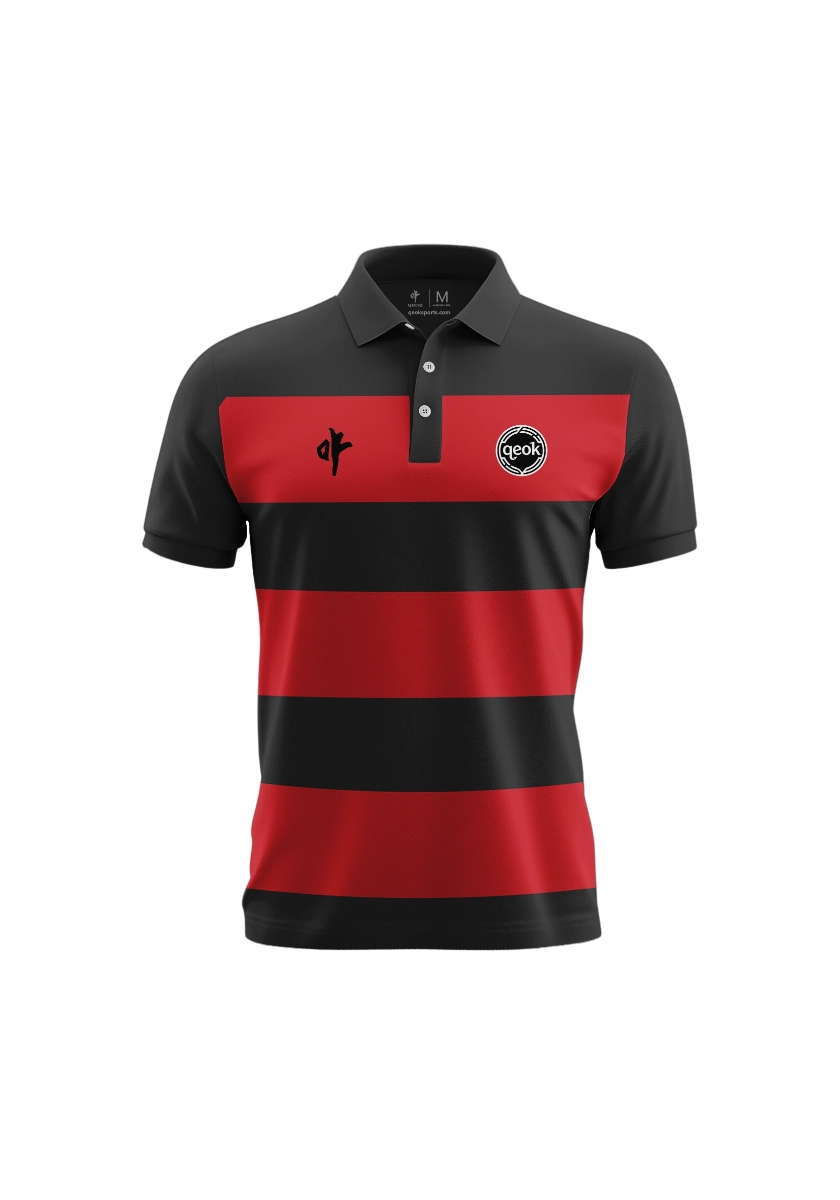
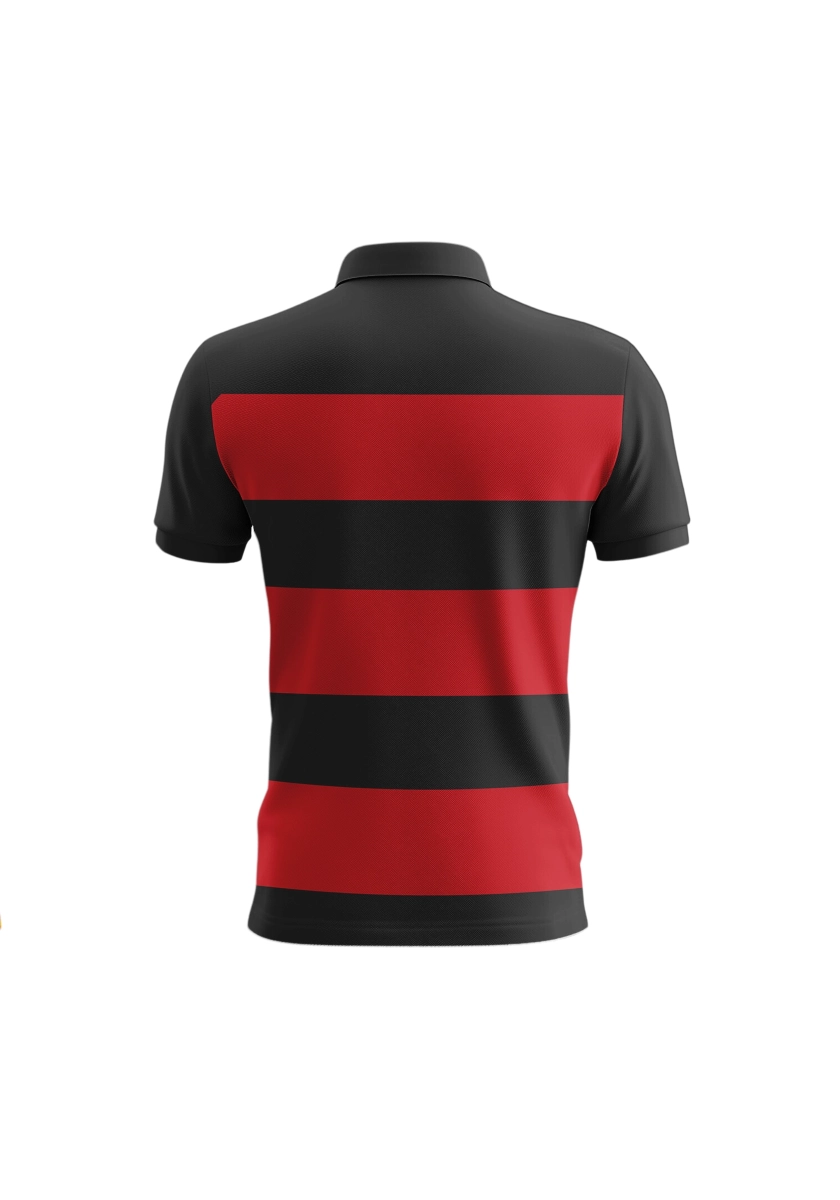
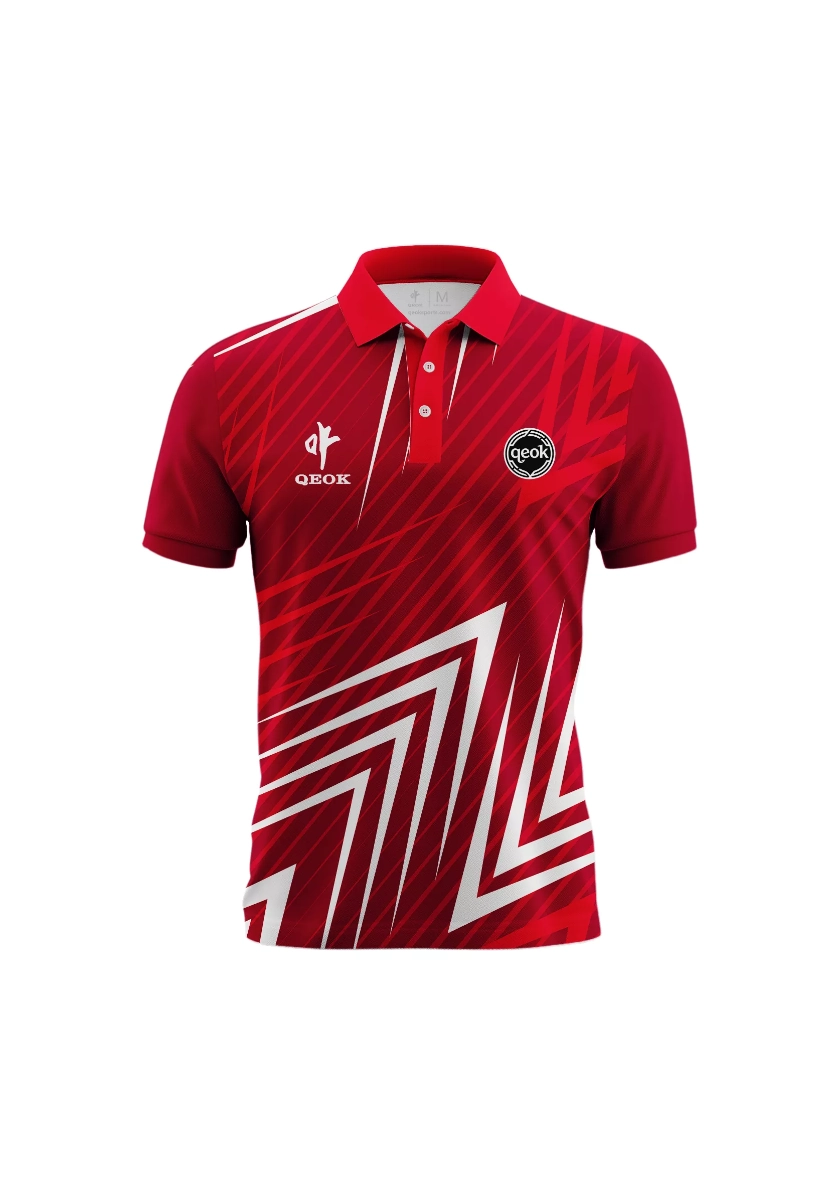
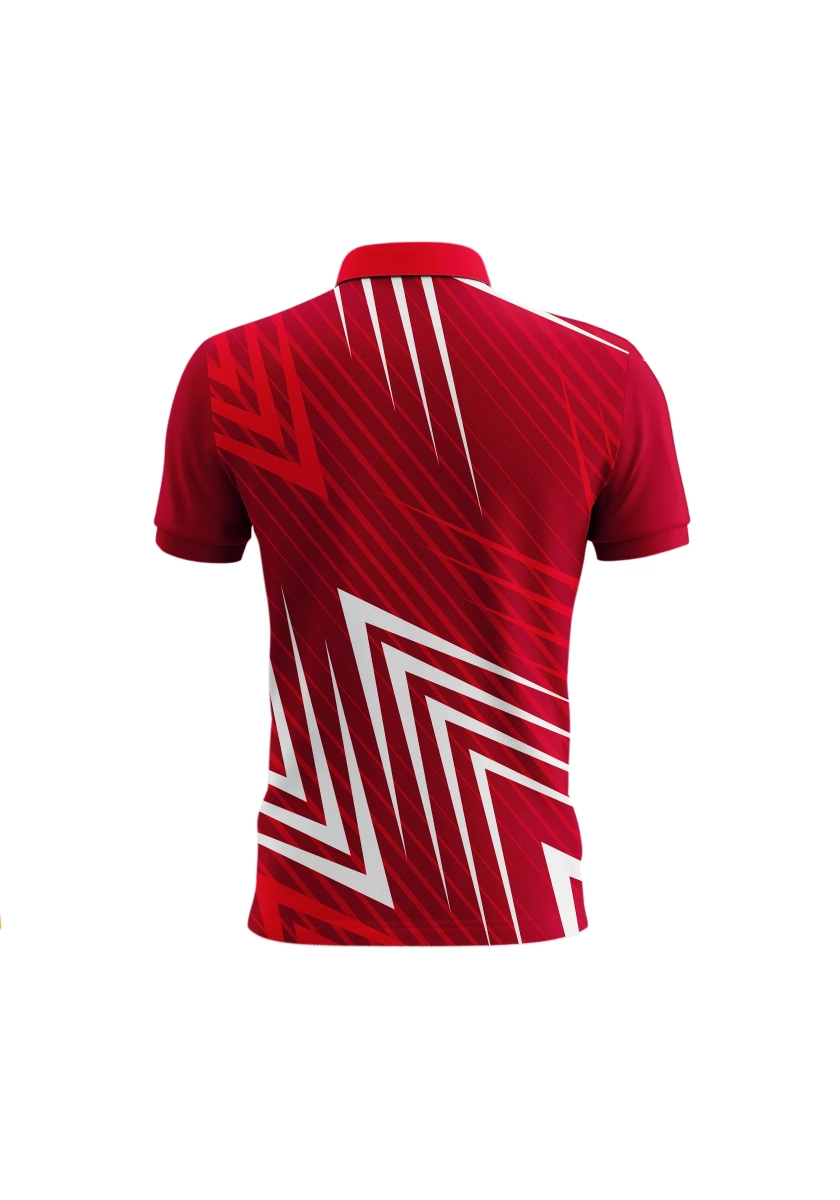
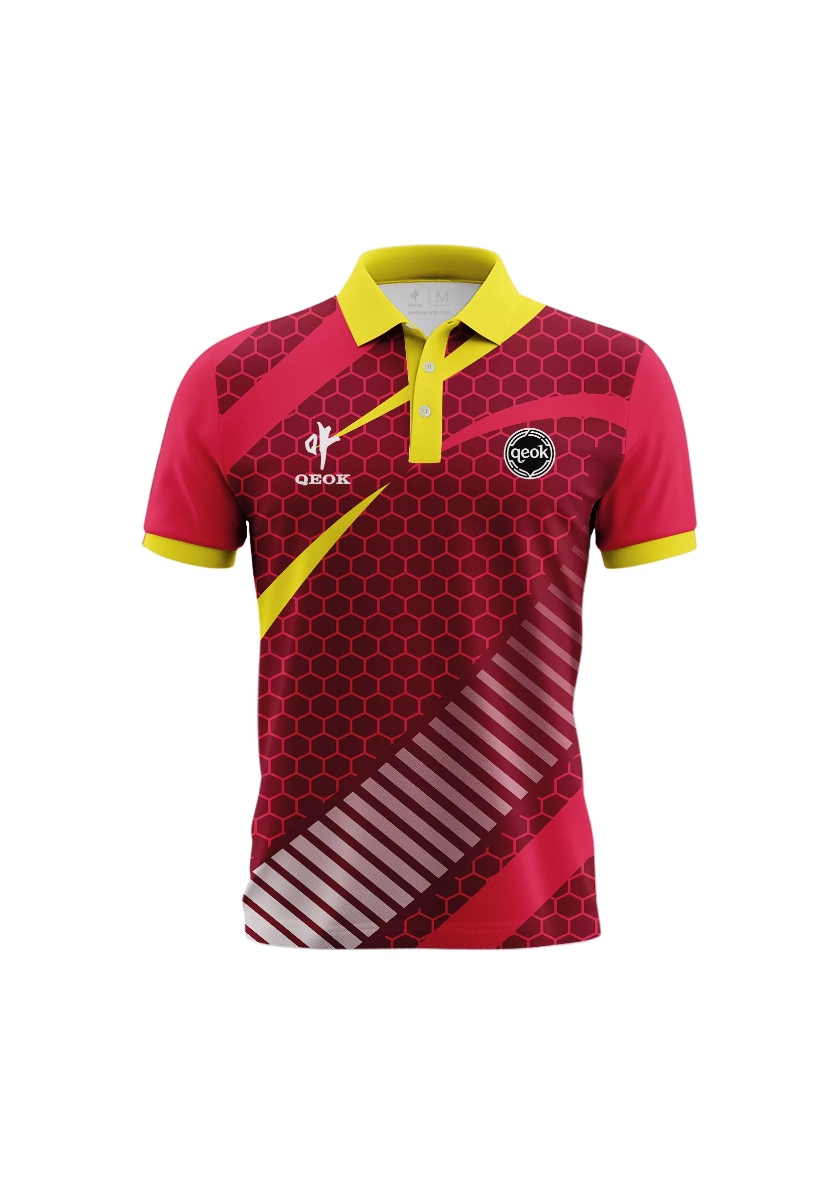
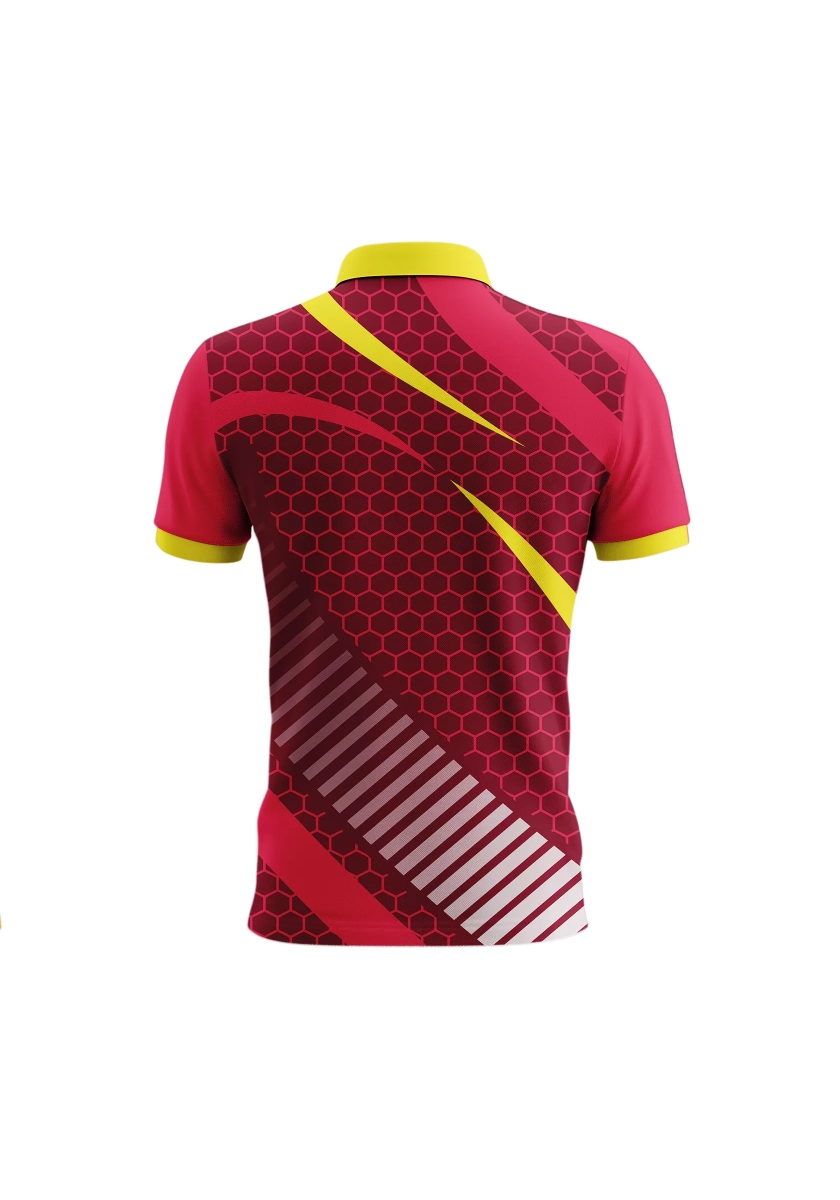


Common Challenges When Sourcing Custom Training T-Shirts
Frequent workouts, sweating, stretching, repeated washing, and long-term use make training T-shirts especially dependent on fabric performance, fit, construction, and branding durability.

The Fabric Feels Too Hot During Training
Training apparel needs to release heat and moisture efficiently during high-output activity.
Poor fabric selection may cause:
- • Heat buildup
- • Heavy sweat retention
- • Slow drying
- • Poor airflow
- • Uncomfortable cling

The Shirt Loses Shape After Repeated Washing
Training T-shirts may be worn and washed much more frequently than match uniforms.
Common problems include:
- • Neckline deformation
- • Body twisting
- • Sleeve distortion
- • Excessive shrinkage
- • Fabric losing recovery

The Fit Restricts Gym & Training Movement
Training T-shirts need to work across running, lifting, stretching, conditioning, and team drills.
Poor fit may cause:
- • Tight shoulders
- • Restricted arm movement
- • Short body length
- • Excess underarm fabric
- • Poor stretch recovery

Lightweight Fabric Becomes Too Transparent
Reducing fabric weight can improve airflow, but an unsuitable construction may reduce coverage.
Common issues include:
- • Excess transparency
- • Poor garment structure
- • Graphics showing through the reverse side
- • Weak drape
- • Inconsistent appearance across colors
Confirming fabric, fit, stretch, breathability, construction, and branding before production helps create training T-shirts that remain comfortable and consistent through frequent use and washing.
Choosing the Right Fabric for Custom Training T-Shirts
Training tees commonly use lightweight polyester, mesh, and stretch performance knits, with fabric selection depending on airflow, moisture management, fit, activity level, and desired hand feel.

Dry-Fit Performance Polyester
A lightweight performance polyester designed for moisture management, quick drying, and regular athletic use.
-
 Best For:Gym training, conditioning, team practice, fitness apparel, and everyday performance T-shirts.
-
 Highlights:• Moisture management
• Quick drying
• Lightweight feel
• Comfortable daily wear
• Performance-oriented construction

Polyester Interlock
A smooth double-knit polyester providing stable construction and a clean surface for custom graphics.
-
Best For:Team training tops, gym T-shirts, club practice wear, and sublimated performance apparel.
-
Highlights:• Smooth surface
• Stable garment shape
• Lightweight construction
• Quick drying
• Sublimation compatible

Bird-Eye Mesh Polyester
A textured polyester knit with small ventilation openings that help improve airflow and moisture movement.
-
Best For:High-intensity training, gym tops, running sessions, team practice, and warm-weather apparel.
-
Highlights:• Breathable surface
• Quick drying
• Lightweight feel
• Moisture release
• Athletic texture

Micro-Interlock Polyester
A finer interlock construction offering a smoother hand feel and cleaner appearance than more open mesh fabrics.
-
Best For:Premium training tees, activewear brands, club apparel, and performance collections.
-
Highlights:• Smooth surface
• Refined hand feel
• Stable structure
• Good print clarity
• Lightweight performance
Custom Printing & Branding for Training T-Shirts
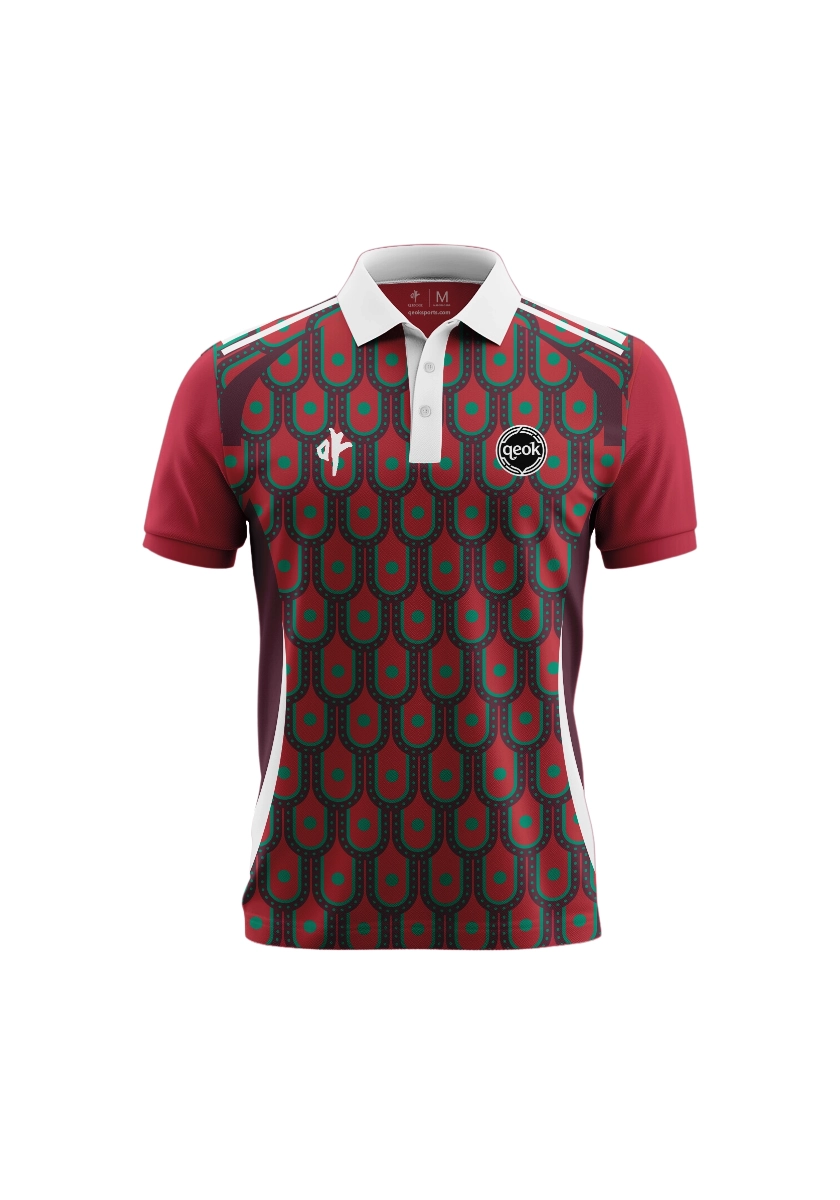
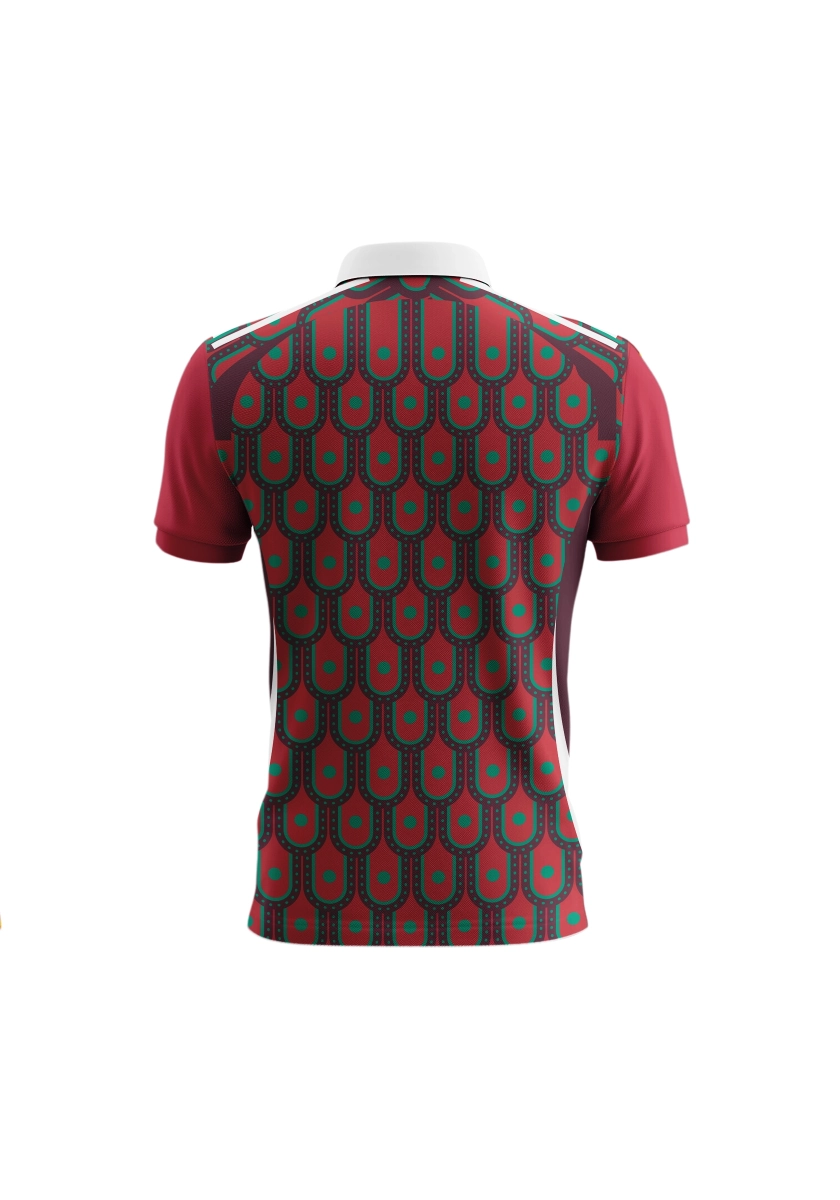
Training T-shirts combine performance graphics, logos, labels, dimensional branding, and packaging, so customization should support both daily training use and complete brand presentation.
- Dye-Sublimation Printing
- Heat Transfer Printing
- Woven Label
- TPU / Silicone Logo
- Embroidery
-
Dye-Sublimation Printing
Dye-sublimation is well suited to polyester training T-shirts with full-color graphics, gradients, patterns, club colors, sponsor marks, and all-over designs. Because the artwork becomes part of the polyester fabric, it preserves the original lightweight feel of the training top.
-
Create full-body performance graphics
-
Integrate team or brand colors
-
Develop detailed patterns and gradients

Full-body artwork allows complex graphics and color combinations while keeping the original lightweight fabric feel.
All-Over Sublimation
Individual fabric panels can be printed before assembly for controlled artwork placement across fronts, backs, sleeves, and side sections.
Panel Sublimation
Names, logos, sponsor graphics, or other approved details can be integrated into individual training garments.
Personalized Sublimation

-
-
Heat Transfer Printing
Heat transfer provides flexible logo and graphic customization for training T-shirts where selected branding needs to be added to specific garment areas.
-
Add brand or team logos
-
Apply sponsor details
-
Customize selected garment areas
Team, gym, academy, or brand logos can be positioned precisely on selected areas.
Team Logo Transfer
Sponsor or partner marks can be added according to the approved artwork layout.
Sponsor Logo Transfer
Additional sleeve, chest, or back graphics can be applied where required.
Custom Graphic Transfer
-
-
Woven Label
Custom woven labels create a more complete private-label identity for training apparel brands, gyms, clubs, and sportswear collections.
-
Brand identity
-
Size information
-
Private-label presentation
A primary woven brand label can be positioned inside the neckline or another approved location.
Main Woven Label
Garment sizing can be produced separately or integrated into the main labeling system.
Size Label
Brand names, logos, and identity details can remain consistent across complete training collections.
Custom Brand Label
-
-
TPU / Silicone Logo
We support supplement brands expanding into activewear, building apparel that strengthens lifestyle identity, increases customer retention, and extends brand presence beyond nutrition products.
-
Raised dimensional branding
-
Technical appearance
-
Custom logo shapes
Lightweight TPU branding creates a clean, technical finish for compact logos.
TPU Logo
Silicone applications provide a soft raised surface and dimensional appearance.
Silicone Logo
Custom lettering and logo shapes can be developed according to brand requirements.
Custom Molded Logo
-
-
Embroidery
Embroidery provides a premium stitched finish for compact logos and selected training apparel branding. On lightweight performance T-shirts, embroidery size and backing should be controlled to avoid unnecessary garment weight.
-
Stitched brand logos
-
Premium dimensional detail
-
Coordinated apparel branding
Compact chest or sleeve logos can receive a premium stitched finish.
Small Logo Embroidery
Club, gym, or company marks can be embroidered where fabric weight and placement are suitable.
Brand Embroidery
The same embroidered identity can continue across polos, hoodies, jackets, and other training apparel.
Coordinated Training Wear Embroidery
-


Training programs require different combinations of airflow, stretch, coverage, fit, and fabric weight, allowing brands and teams to develop apparel for different workout environments.

Why Choose QEOK
-

Teamwear Manufacturing Experience
QEOK provides custom sportswear and teamwear solutions for clubs, schools, academies, distributors, sports organizations, and sportswear brands.
-

Custom Design & Development
From pinstripes and team colors to logos, names, numbers, piping, labels, and sizing, QEOK helps turn customer ideas into production-ready baseball jerseys.
-

Complete Branding Support
QEOK supports sublimation, heat transfer, woven labels, TPU or silicone logos, embroidery, and customized packaging according to project requirements.
-

Reliable Production Management
Material preparation, printing, cutting, sewing, button installation, branding, finishing, and packing follow approved specifications to support consistent production.


From Training T-Shirt Concept to Finished Apparel


Share your training T-shirt style, target activity, quantities, sizes, colors, logos, references, and branding requirements. Confirm training application Review style references Define size range Confirm quantities Collect artwork

We recommend suitable fabrics, GSM, fit, neckline, colors, graphics, labels, and branding options. Recommend fabrics Define garment fit Prepare artwork Select colors Confirm branding

Fabric, sizing, artwork, labels, logo placement, trims, and packaging details are reviewed before sampling. Review T-shirt layout Confirm sizing Check logo placement Verify specifications Approve customization

Where required, a sample is produced to review fabric, fit, movement, graphics, branding, and workmanship. Check training fit Review fabric feel Test movement Inspect graphics Approve construction

After approval, manufacturing begins according to the confirmed training T-shirt specifications. Prepare materials Print and customize Cut garment panels Sew and assemble Complete finishing

Finished training T-shirts are checked against approved requirements before packing. Verify measurements Inspect seams Check graphics Confirm branding Review finished garments

Approved training T-shirts are packed and shipped according to the final order and delivery requirements. Pack garments Verify quantities Prepare cartons Coordinate shipment Support delivery

Key Considerations for Custom Training T-Shirts
Before production, training T-shirts should be reviewed for fabric performance, movement, fit, branding weight, and repeated-wash requirements to reduce comfort and durability problems.
-
1
Fabric Weight & Training Environment
Fabric should match the intended workout intensity and climate.
Confirm:
- Fabric structure
- GSM
- Breathability
- Moisture management
- Coverage
- Quick-dry requirements
High-intensity and warm-weather training generally benefits from lighter, more ventilated constructions.
-
2
Fit & Movement
Training tees should support different exercises without unnecessary restriction.
Confirm:
- Shoulder width
- Armhole shape
- Sleeve opening
- Chest fit
- Shirt length
- Stretch requirement
Samples should be evaluated during realistic training movements.
-
3
Branding & Fabric Compatibility
Logo method and size should match the selected performance fabric.
Confirm:
- Logo dimensions
- Logo position
- Fabric stretch
- Sublimation compatibility
- Heat-transfer areas
- Embroidery suitability
Large or heavy branding should not unnecessarily affect a lightweight training top.
-
4
Labels, Packaging & Final Sample
Branding and packing details should be approved together with the finished garment.
Confirm:
- Woven labels
- TPU / silicone logos
- Embroidery
- Packaging bags
- Carton marking
- Final sample
Approved specifications should be retained for future repeat production.


Confirming fabric, fit, movement, branding, labels, and packaging before production helps create training T-shirts that remain consistent through frequent workouts, washing, and repeat orders.
Frequently Asked Questions
Find key information about training fabrics, GSM, fits, customization, branding, sampling, production, packaging, and QEOK's OEM and ODM training apparel manufacturing support.
-
1.What can I customize on training T-shirts?

You can customize colors, patterns, logos, fit, sleeves, necklines, fabrics, labels, trims, TPU or silicone branding, embroidery, sizing, and packaging.
-
2.What fabrics are commonly used for training T-shirts?
Common options include dry-fit polyester, interlock, bird-eye mesh, micro-interlock, sports mesh, polyester-spandex jersey, and stretch performance knits.
-
3.What GSM is commonly used for training T-shirts?
Performance training tees commonly use polyester constructions around 130–180 GSM, while fitted or more structured stretch tops may use heavier fabrics depending on the required fit.
-
4.Which fabric is suitable for hot-weather training?
Light bird-eye, eyelet, and mesh structures are commonly selected where maximum airflow and quick moisture release are priorities.
-
5.Can fitted training T-shirts use stretch fabrics?
Yes. Polyester-elastane and stretch interlock fabrics are commonly used for fitted athletic tops requiring greater mobility and recovery.
-
6.Can full-sublimation training T-shirts be produced?
Yes. Polyester interlock, dry-fit, and bird-eye structures can be suitable for sublimation depending on the selected fabric and finish.
Explore Other Training Wears
We Manufacture
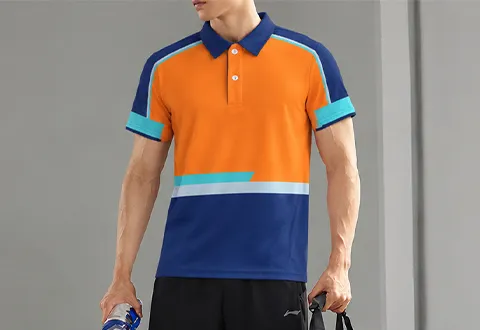
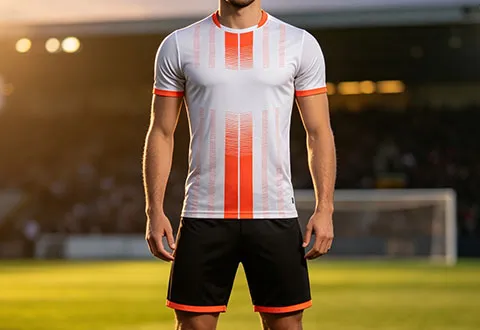

Ready to Create Your Custom Training T-Shirts?
Share your training application, fabrics, colors, logos, quantities, sizing, and references with QEOK for support from product development through manufacturing, inspection, and delivery.