 Contact Us


Oversized Hoodie Manufacturer for Streetwear Brands
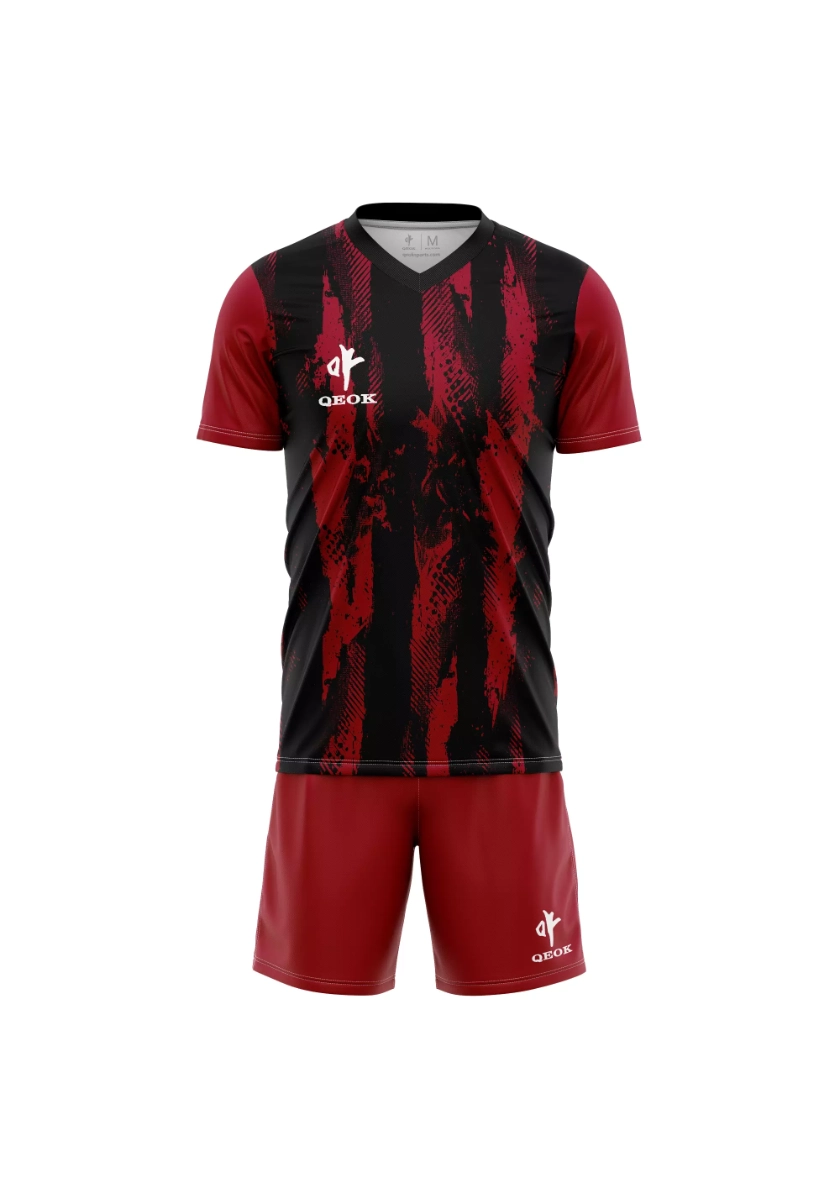
Create coordinated team uniform sets with performance fabrics, matching colors, player personalization, logos, and complete branding for clubs, schools, academies, leagues, and sportswear brands.



Looking for a Reliable Custom Team Uniform Manufacturer?
A successful team uniform program depends on:
Unlike ordering a single jersey, uniform-set development may involve jerseys, shorts, pants, socks, libero variations, goalkeeper styles, or player-specific sizes across multiple garments.
-
Sport-appropriate fabrics

-
Coordinated colors across garments
-
Consistent logos and player details
-
Compatible top and bottom sizing
-
Reliable repeat-order specifications
Whether you are sourcing uniforms for a club, school, academy, league, tournament, distributor, or sportswear brand, the complete set should be developed as one coordinated project.
In This Guide, You’ll Learn:
- How to select fabrics across a full uniform set
- How jerseys and bottoms should be coordinated
- How colors remain consistent across different materials
- How player names and numbers are managed
- Which branding options can be integrated
- Which team uniform sets are commonly developed
- What to confirm before bulk production

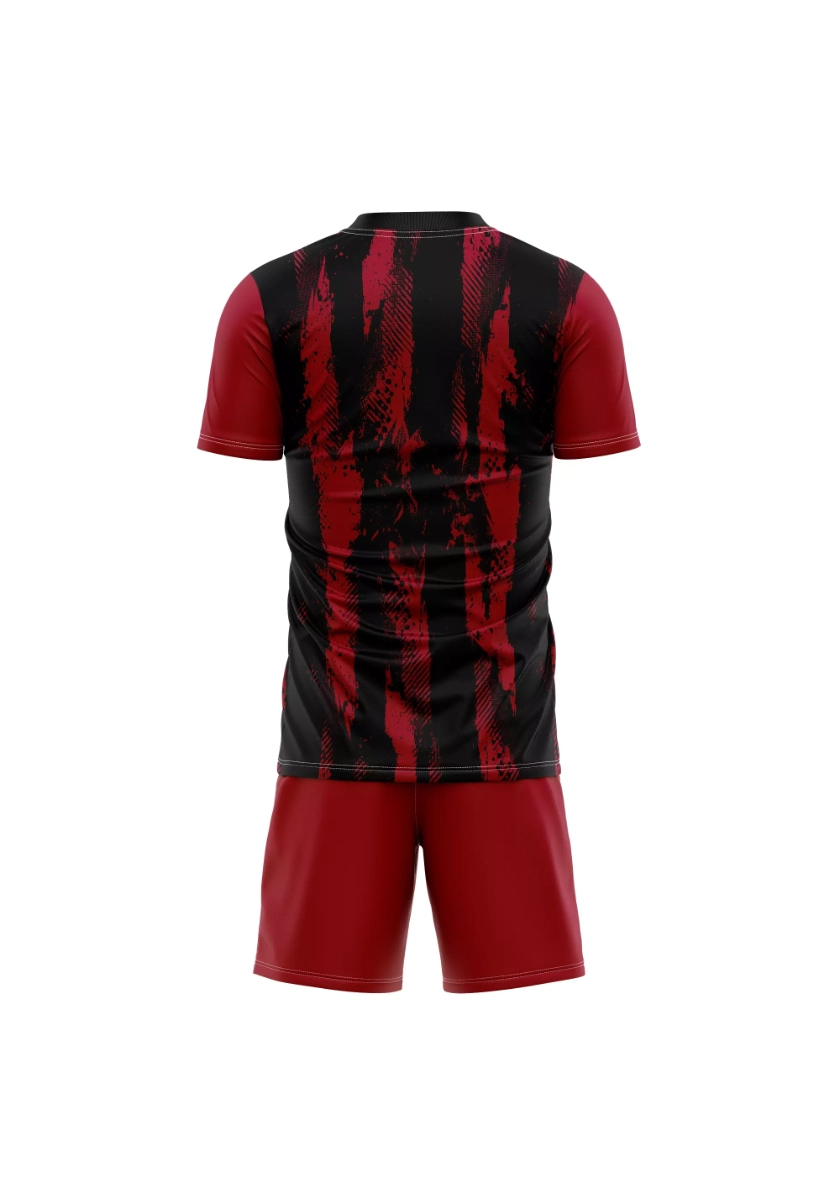
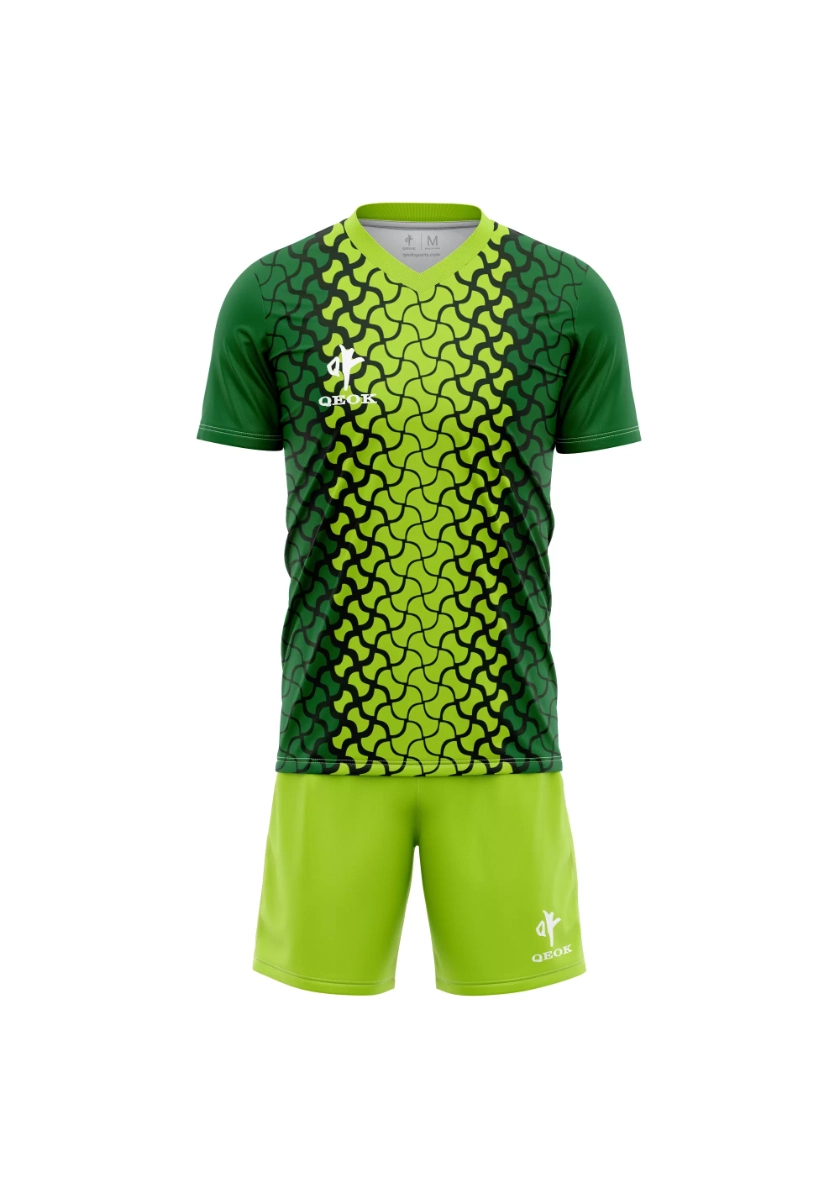
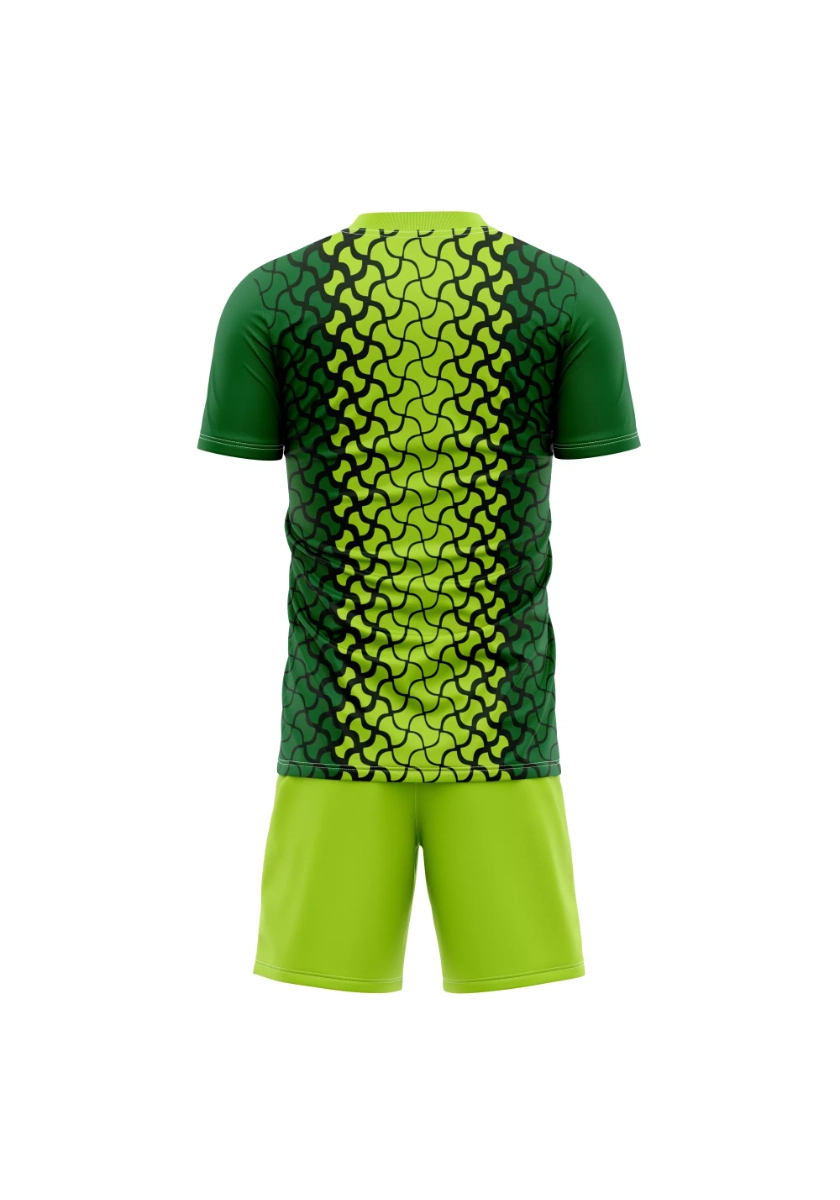
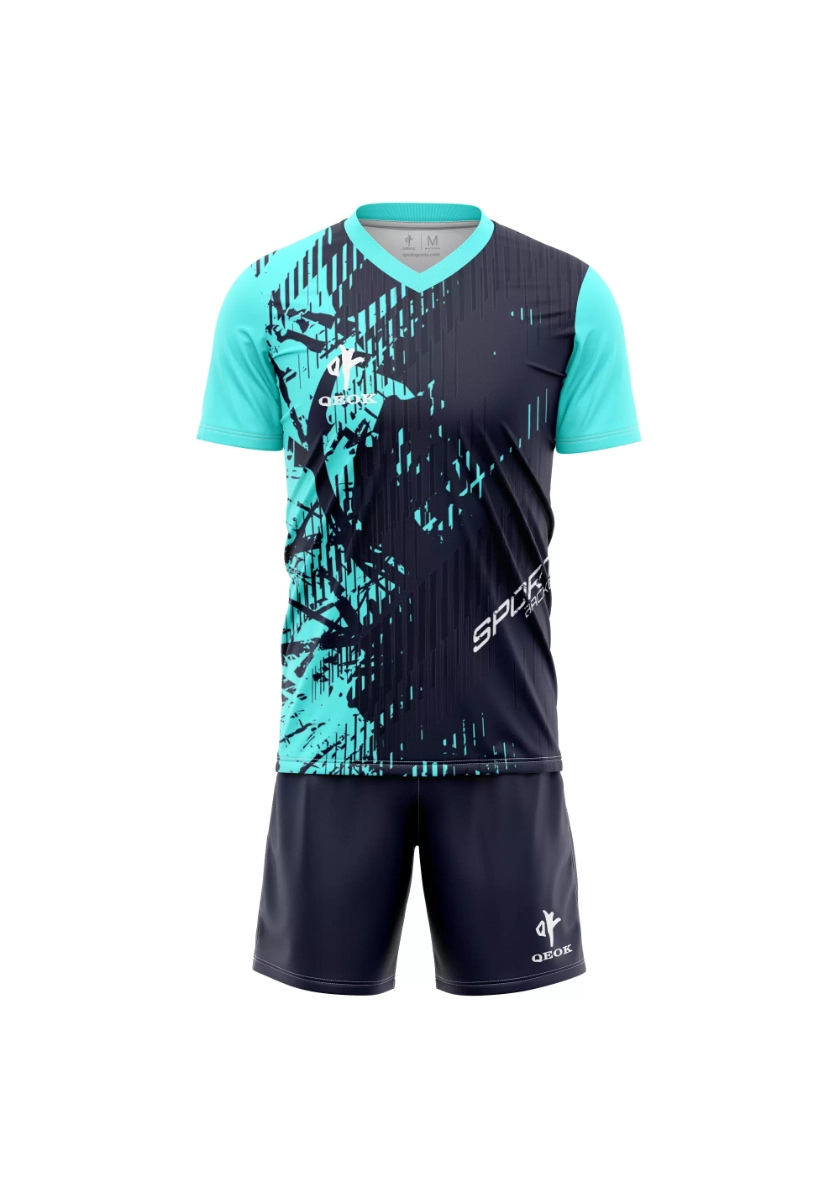
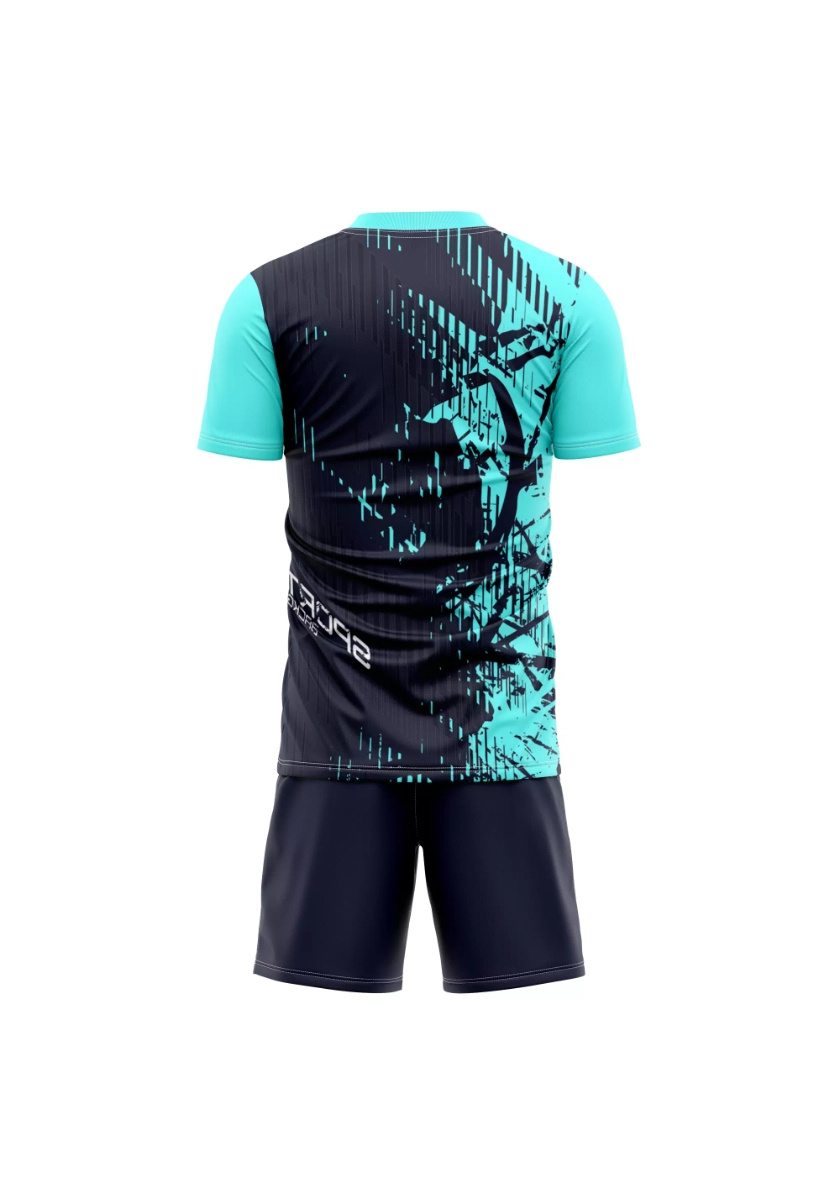
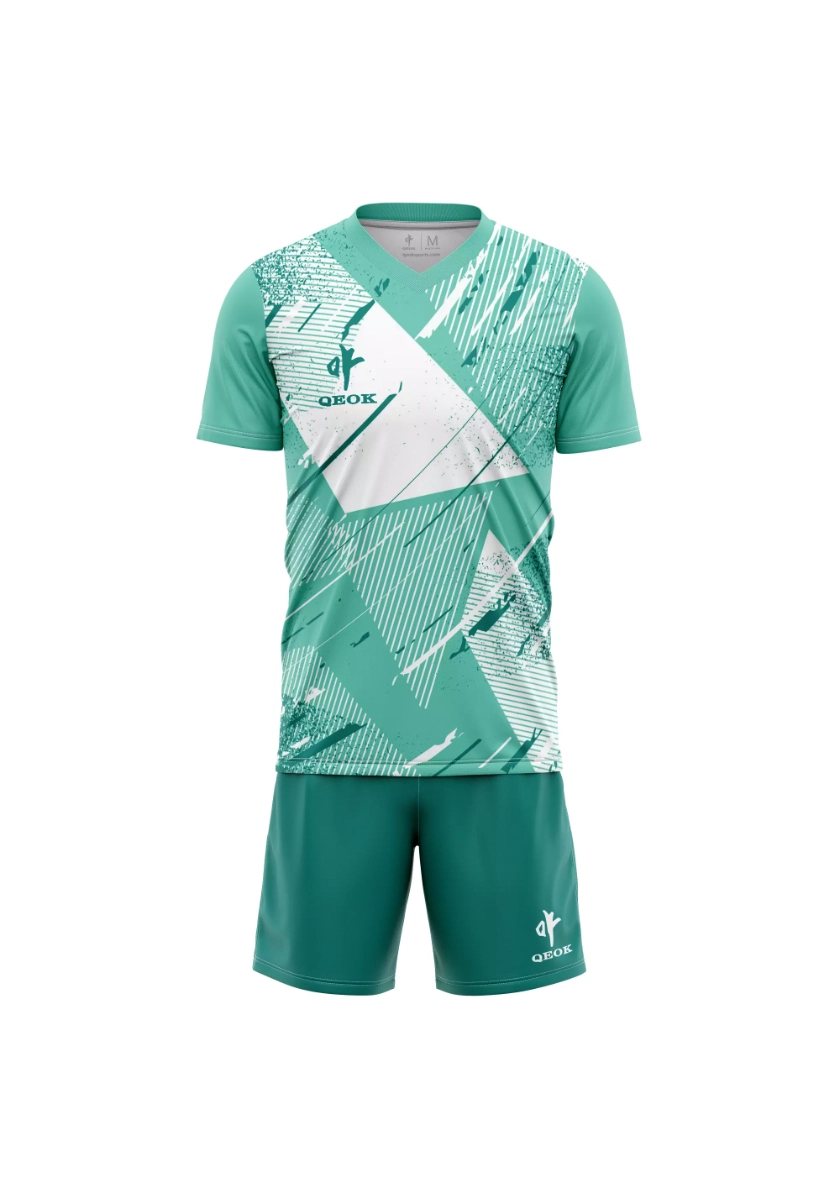
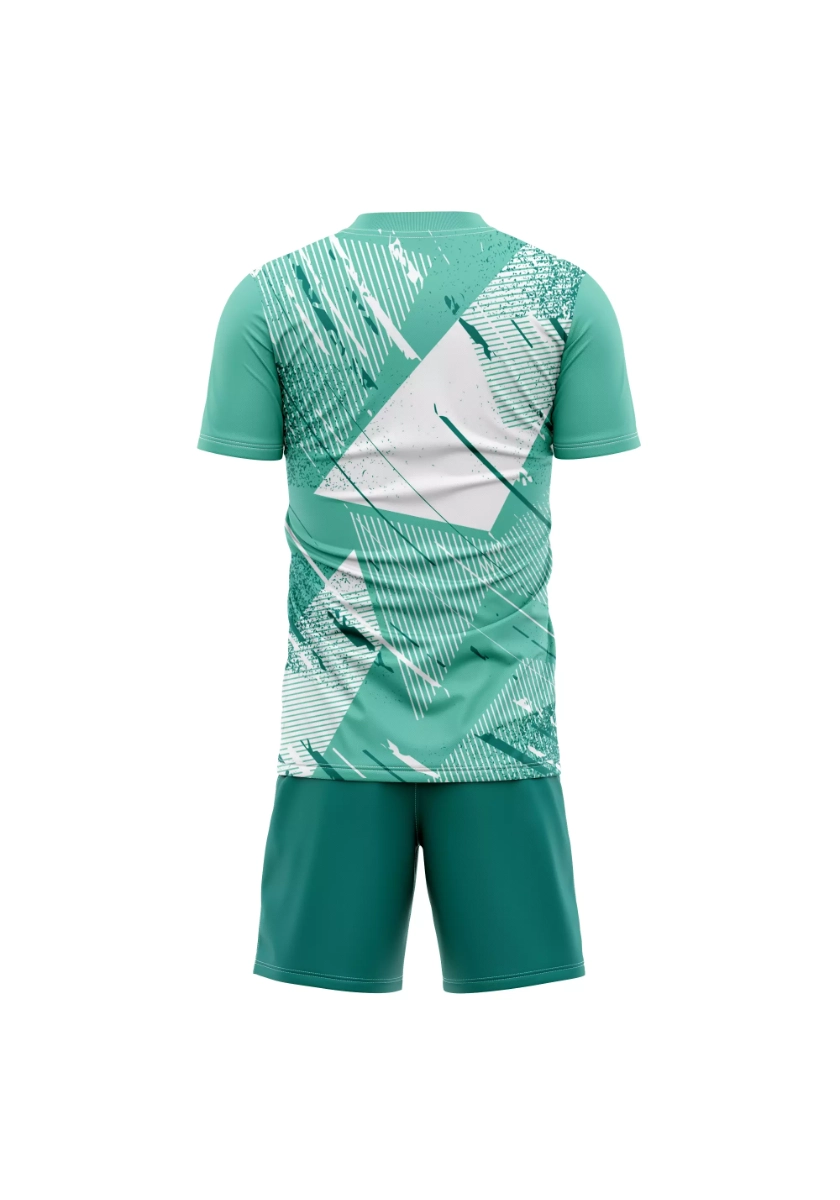


Common Challenges When Sourcing Custom Team Uniform Sets
Multiple garments, fabrics, sizes, colors, and player details make complete team uniform projects more complex than individual jerseys and require stronger control throughout development and production.

Colors Don’t Match Across the Full Uniform
A jersey, shorts, pants, socks, and other team pieces may use different fabric constructions.
Common problems include:
- • Different shades of the same team color
- • Sublimated tops not matching solid-color bottoms
- • Trim colors changing between garments
- • Sponsor colors appearing differently
- • Repeat-order color variation

Heavyweight fabrics lose shape or feel uncomfortable
Different garments and sports require different fabric behavior.
Poor material planning may result in:
- • Shorts that feel too heavy
- • Jerseys with insufficient ventilation
- • Contact uniforms lacking structure
- • Stretch panels with poor recovery
- • Pants that do not suit the sport

Top & Bottom Sizing Doesn’t Work Together
Players do not always require the same size for jerseys and bottoms.
Common issues include:
- • Correct jersey but incorrect shorts size
- • Waist sizing inconsistent with tops
- • Youth grading problems
- • Women's fits using men's proportions
- • Goalkeeper or specialist sizing errors

Repeat Orders Don’t Match the Original Set
Teams often reorder individual replacement pieces rather than an entire kit.
Without retained specifications, later orders may vary in:
- • Fabric
- • Color
- • Fit
- • Logo placement
- • Number style
- • Trim details
Confirming fabrics, colors, sizing, artwork, player details, and garment combinations before production helps maintain consistency across complete kits, replacement pieces, and future team orders.
Choosing Fabrics for Complete Team Uniform Sets
Team uniform sets use different polyester and stretch constructions depending on the sport, garment function, climate, fit, contact level, ventilation, and durability requirements.

Polyester Interlock
A smooth performance polyester widely used for sublimated jerseys and lightweight team tops because it offers stable construction and a clean printable surface.
-
 Best For:Soccer, volleyball, basketball, training tops, lightweight jerseys, and sublimated uniform programs.
-
 Highlights:• Smooth print surface
• Lightweight structure
• Quick drying
• Stable shape
• Sublimation compatible

Bird-Eye Mesh Polyester
A textured polyester knit with small ventilation openings that supports airflow and moisture movement during active play.
-
Best For:Soccer, basketball, volleyball, training tops, warm-weather uniforms, and breathable jersey panels.
-
Highlights:• Good ventilation
• Lightweight feel
• Moisture management
• Athletic texture
• Suitable for sublimation

Micro-Mesh Polyester
A finer mesh construction offering controlled airflow with a smoother appearance than larger open-hole fabrics.
-
Best For:Team jerseys, training tops, basketball shorts, side panels, and lightweight performance uniforms.
-
Highlights:• Fine ventilation
• Smooth visual appearance
• Lightweight options
• Quick drying
• Flexible garment use

Polyester Tricot
A durable warp-knit polyester commonly used for athletic shorts, warm-up bottoms, practice apparel, and selected jersey constructions.
-
Best For:Basketball shorts, football practice wear, warm-up garments, training bottoms, and multi-sport uniform sets.
-
Highlights:• Durable knit structure
• Smooth athletic feel
• Good drape
• Quick drying
• Suitable for repeated team use

Polyester Piqué
A textured polyester fabric providing more body and structure than lightweight interlock while retaining performance characteristics.
-
Best For:Rugby-style tops, structured team shirts, club apparel, training products, and heavier uniform applications.
-
Highlights:• Textured surface
• Structured appearance
• Durable construction
• Good shape retention
• Performance polyester base
Custom Printing & Branding for Team Uniform Sets
Complete team uniforms combine graphics, player details, labels, dimensional logos, and packaging, so branding should remain consistent across every garment within the coordinated kit.
- Dye-Sublimation Printing
- Heat Transfer Printing
- Embroidery
-
Dye-Sublimation Printing
Dye-sublimation is a primary solution for polyester team uniforms requiring full-color patterns, gradients, names, numbers, sponsor graphics, and coordinated designs.
The artwork becomes part of the polyester fibers, helping jerseys and shorts maintain their original lightweight fabric feel.-
Create coordinated full-kit graphics
-
Integrate colors, names, and numbers
-
Match artwork across tops and bottoms

Full-body artwork allows jerseys and compatible bottoms to share coordinated patterns, gradients, colors, and team graphics.
All-Over Sublimation
Individual garment panels are printed before assembly, allowing artwork to be controlled across sleeves, bodies, shorts, and side sections.
Panel Sublimation
Names, numbers, sponsor marks, and player-specific details can be integrated into individual garments within the same team order.
Personalized Sublimation

-
-
Heat Transfer Printing
Heat transfer provides flexible customization for player names, numbers, event graphics, sponsor marks, and details added to selected garment areas.
It is especially useful when individual pieces require different player information.-
Add player-specific details
-
Position selected logos precisely
-
Support replacement-piece personalization
Individual player information can be applied according to the approved team roster and garment specifications.
Player Name & Number Transfer
Club, sponsor, league, or tournament graphics can be positioned on selected garments within the uniform set.
Team Logo Transfer
Additional chest, sleeve, short, or back graphics can be added where required.
Custom Graphic Transfer
-
-
Embroidery
Embroidery provides a traditional textured finish for compact crests, school logos, club marks, and selected premium team branding.
Application should be matched to garment weight and fabric structure.-
Stitched club identity
-
Dimensional logo detail
-
Coordinated branding
Club, school, or organization crests can be embroidered on suitable garments within the team range.
Team Crest Embroidery
Small manufacturer or sponsor marks can receive a premium stitched appearance.
Compact Logo Embroidery
The same embroidered identity can continue across warm-ups, polos, jackets, and other related teamwear.
Coordinated Teamwear Embroidery
-


Need Help Choosing? → Contact Us

Why Choose QEOK for Custom Team Uniform Sets?
-

Teamwear Manufacturing Experience
QEOK supports clubs, schools, academies, distributors, sports organizations, and sportswear brands with custom uniforms across multiple team sports and training categories.
-

Custom Design & Development
Colors, patterns, names, numbers, sponsor graphics, garment combinations, labels, and sizing can be coordinated across the complete uniform program.
-

Complete Branding Support
QEOK supports sublimation, heat transfer, woven labels, TPU or silicone logos, embroidery, and customized packaging according to project requirements.
-

Coordinated Production Management
Different garments within one uniform set can be managed under approved artwork, material, sizing, and branding specifications to improve cross-product consistency.


From Team Concept to Complete Uniform Program


Share the sport, required garments, quantities, size ranges, team colors, logos, player information, design references, and target schedule. Confirm uniform components Review sport requirements Define size ranges Confirm quantities Collect artwork and roster files

Based on your brand positioning and desired streetwear aesthetic, we recommend suitable faWe develop the visual direction and recommend suitable fabrics, garment combinations, colors, trims, labels, and branding options. Prepare coordinated artwork Recommend fabrics by garment Match team colors Develop personalization Confirm branding detailsbrics, GSM options, construction details, and oversized fit solutions. Our team evaluates key elements such as drop shoulder structure, body proportion, sleeve volume, and fabric drape to achieve the right balance between comfort, appearance, and production stability.

Artwork & Specification Confirmation Artwork, sizing, player details, fabrics, garment combinations, colors, labels, and packaging specifications are reviewed before sampling. Review complete kit layout Confirm roster details Verify garment specifications Check color coordination Approve customization

Where required, samples are developed to evaluate fabric, fit, color matching, garment coordination, personalization, and overall workmanship. Check garment fit Review fabric choices Compare team colors Inspect graphics Approve complete set

After approval, manufacturing begins according to the confirmed team uniform specifications. Prepare materials Print and customize Cut garment panels Sew and assemble Complete branding and finishing

Finished uniform components are checked against approved requirements before packing. Verify measurements Match garment colors Check player details Inspect workmanship Confirm set quantities

Approved team uniforms are organized, packed, and shipped according to the final order and delivery requirements. Sort uniform components Pack by player or size Prepare cartons Coordinate shipment Support delivery


Key Considerations for Custom Team Uniform Sets
Before production, complete uniform sets should be reviewed for fabric compatibility, color consistency, sizing coordination, and roster accuracy to reduce problems across multiple garments.
-
1
Fabric Compatibility Across Garments
Different pieces may require different fabrics even when they belong to the same uniform.
Confirm:
- Jersey fabric
- Shorts or pants fabric
- GSM by garment
- Stretch requirements
- Breathability
- Decoration compatibility
The goal is visual consistency without forcing every garment to use the same textile.
-
2
Color & Graphic Coordination
Team colors and artwork should remain consistent even when applied to different fabric constructions.
Confirm:
- Main team colors
- Secondary colors
- Logo placement
- Sponsor graphics
- Trim colors
- Artwork scale
Physical fabric colors and sublimated colors should be reviewed together where possible.
-
3
Sizing & Player Roster
Each player may require different top and bottom sizes or specialist garment versions.
Confirm:
- Jersey size
- Bottom size
- Player name
- Player number
- Specialist position
- Final quantities
A structured roster helps reduce packing and personalization errors.


Confirming materials, colors, sizing, player details, labels, and packaging across the entire uniform set helps improve consistency from initial production through future replacement orders.Through professional pattern development, fabric selection, and strict manufacturing control, we help brands create oversized hoodies with the right balance of style, comfort, durability, and production consistency.
Custom Team Uniform Sets FAQ
Can't find your answer? Contact us directly and we'll reply within one business day.
-
1.What can be included in a custom team uniform set?

Depending on the sport, sets can include jerseys, shorts, pants, socks, libero jerseys, hockey socks, player personalization, and other coordinated teamwear components.
-
2.Do all garments in one uniform set use the same fabric?
No. Jerseys, shorts, pants, and contact-sport garments may require different materials. Fabrics should be selected according to each garment's performance and construction requirements.
-
3.What fabrics are commonly used for team uniforms?
Common directions include polyester interlock, bird-eye mesh, micro-mesh, tricot, piqué, double knit, polyester-spandex, and heavier polyester constructions for contact sports.
-
4.Can team colors be matched across different garments?
Yes. Color standards can be coordinated across sublimated, solid-color, and different fabric constructions, though physical sampling is recommended where exact matching is important.
-
5.Can players order different jersey and bottom sizes?
Yes. Where required, top and bottom sizes can be managed separately according to the approved team roster.
-
6.Can different players have different names and numbers?
Yes. Player names, numbers, garment sizes, and approved individual details can be organized according to the final roster.
Explore Other Team Sports Uniforms
We Manufacture


Ready to Build Your Custom Team Uniform Sets?
Share your sport, required garments, colors, logos, player roster, quantities, and references with QEOK for support from product development through manufacturing, inspection, and delivery.