
 Contact Us


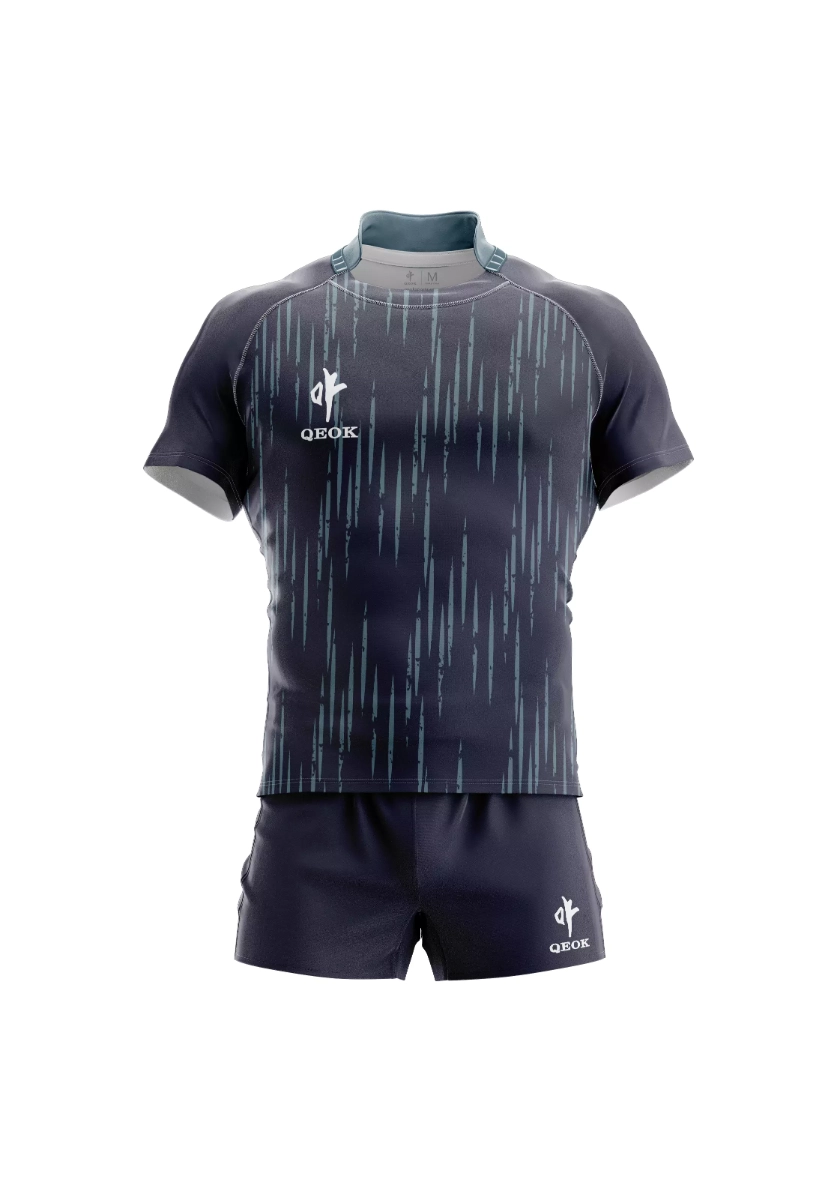
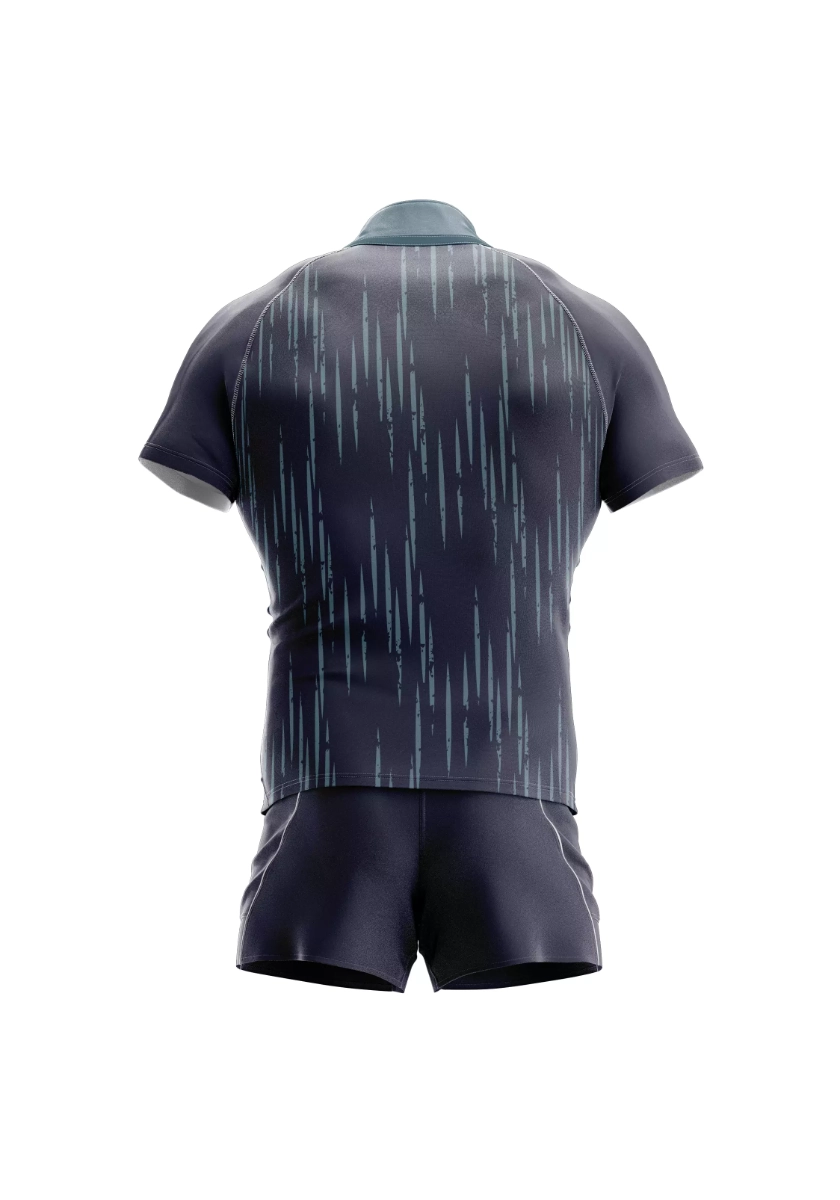
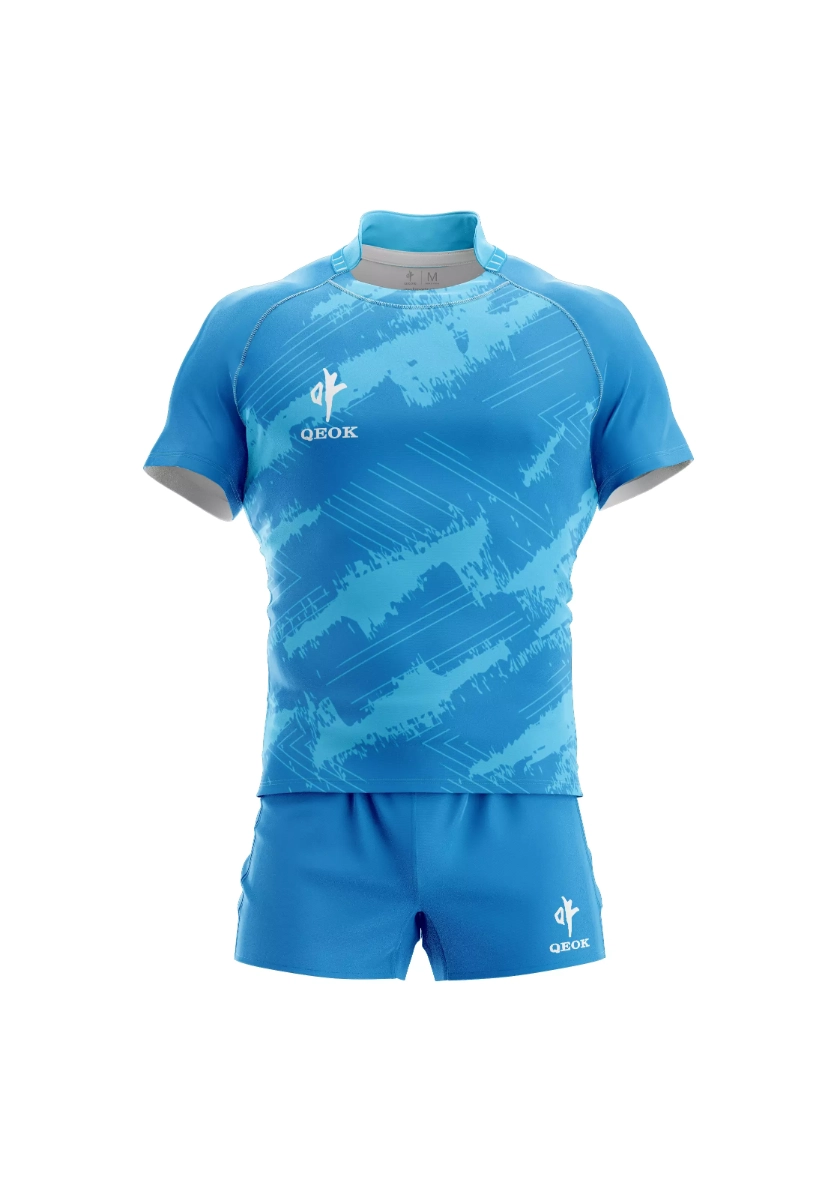
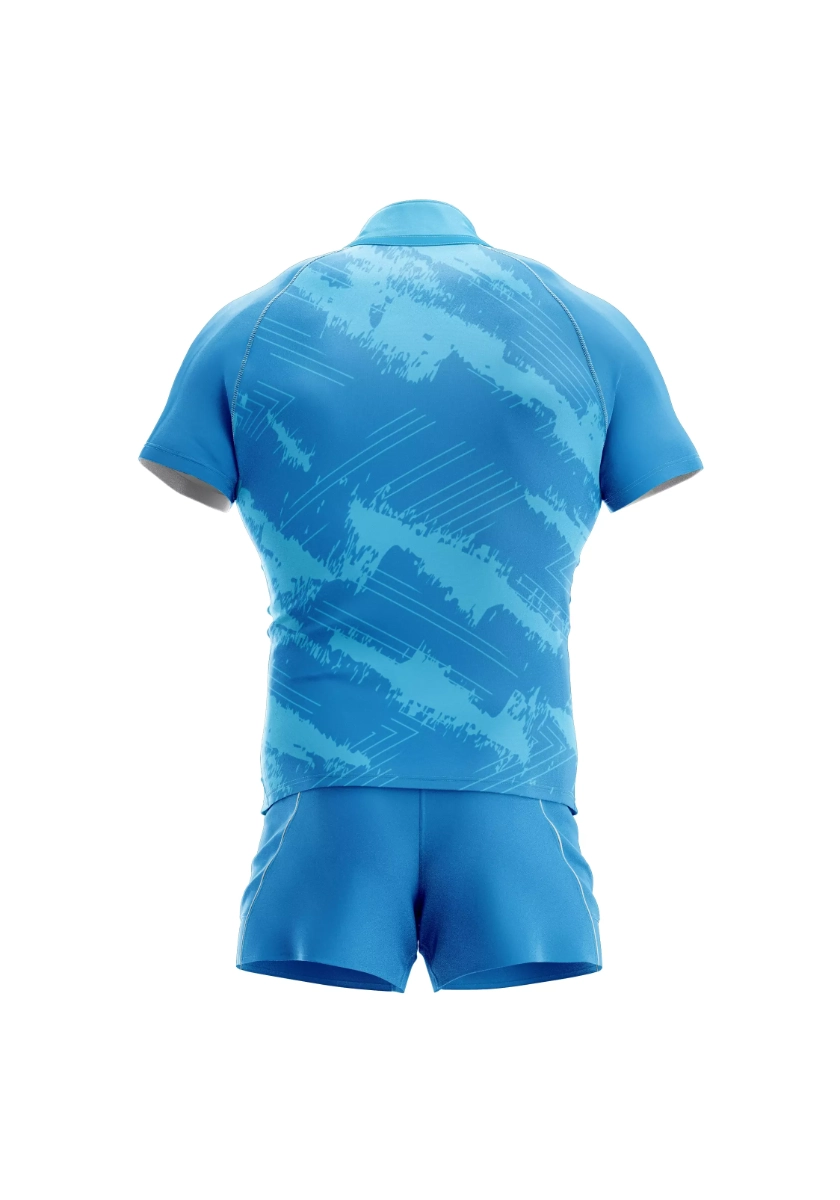
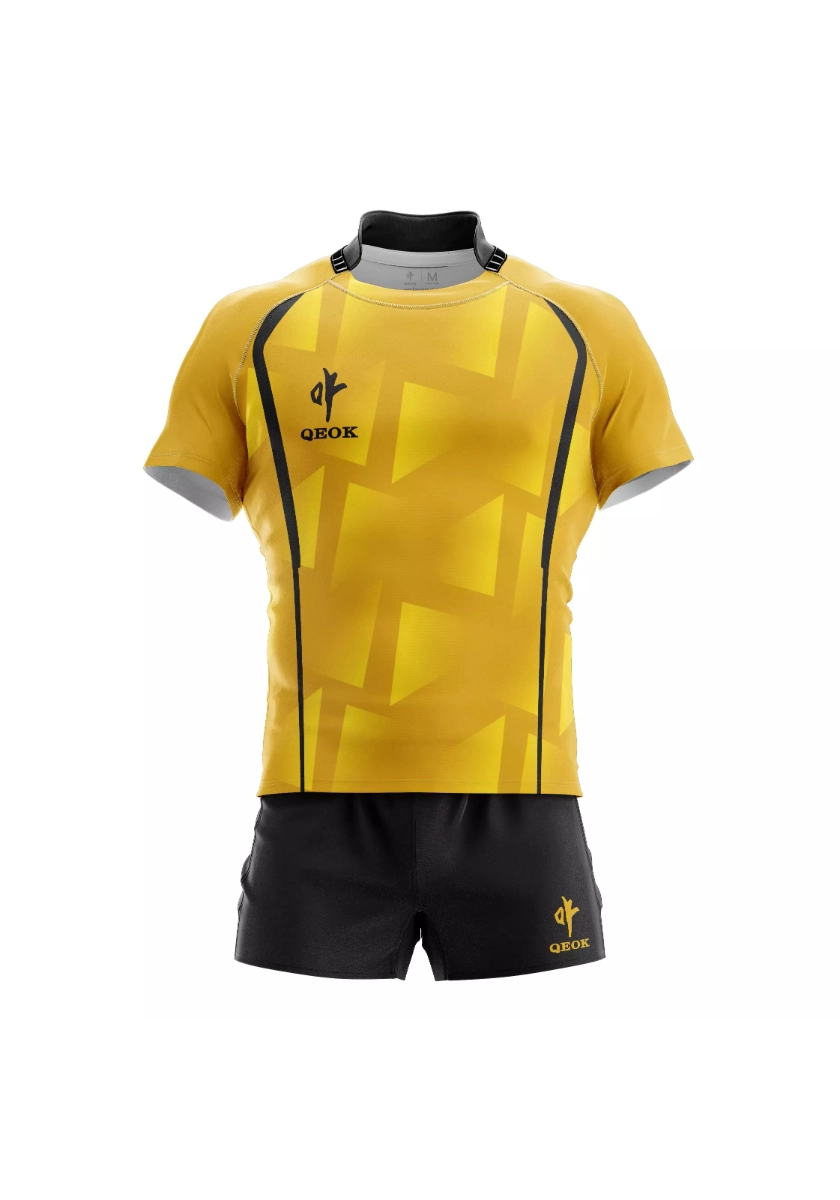
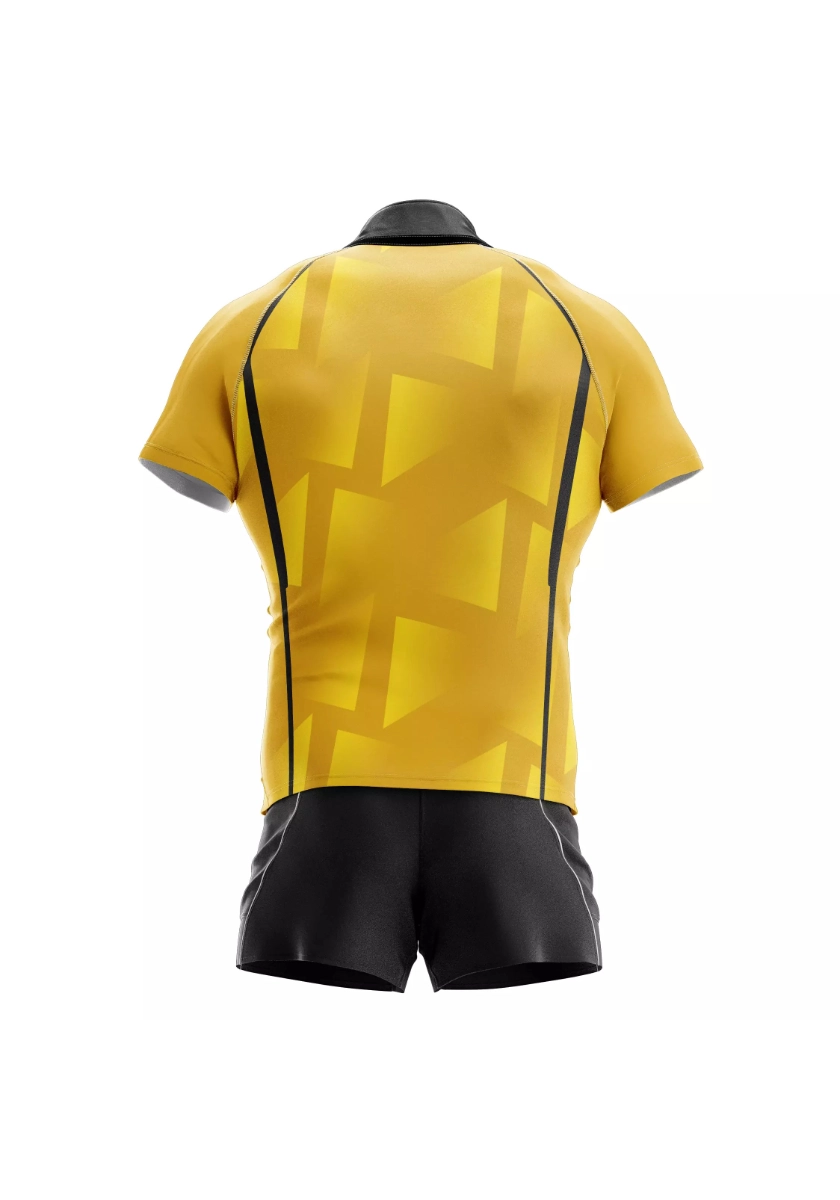
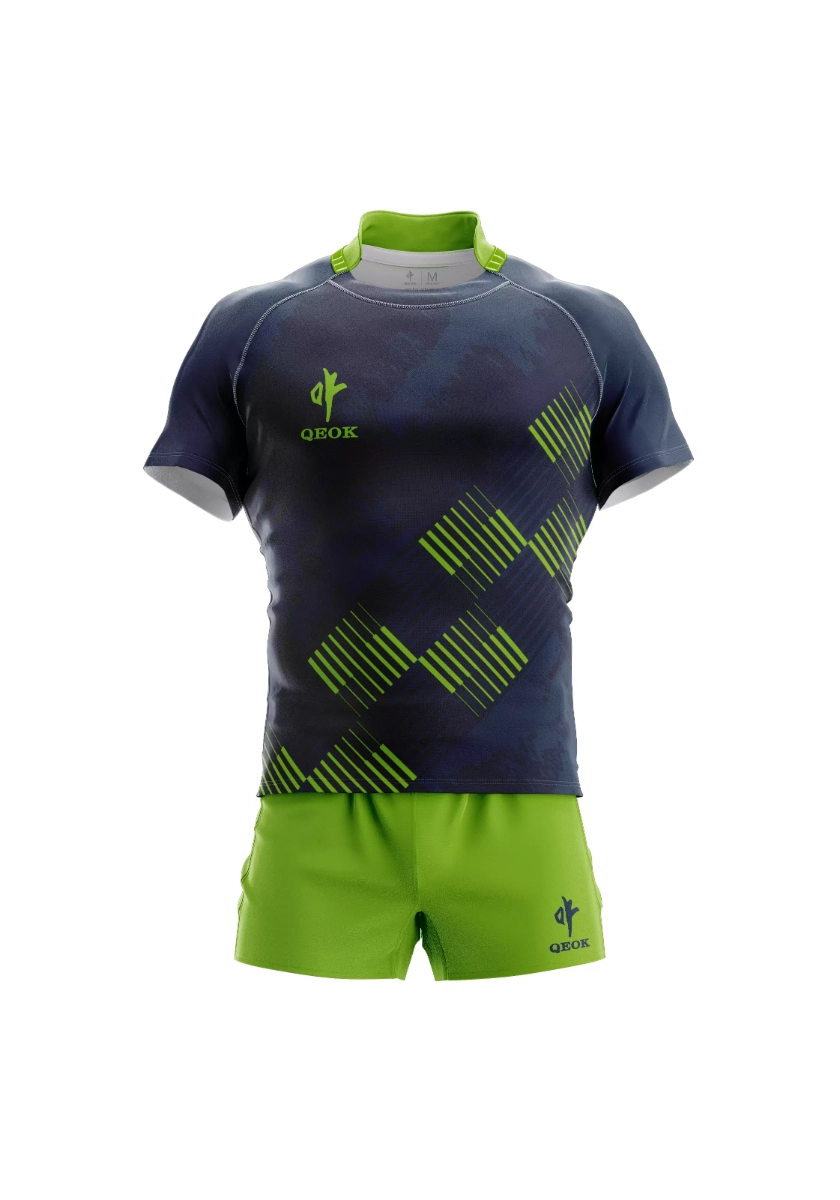
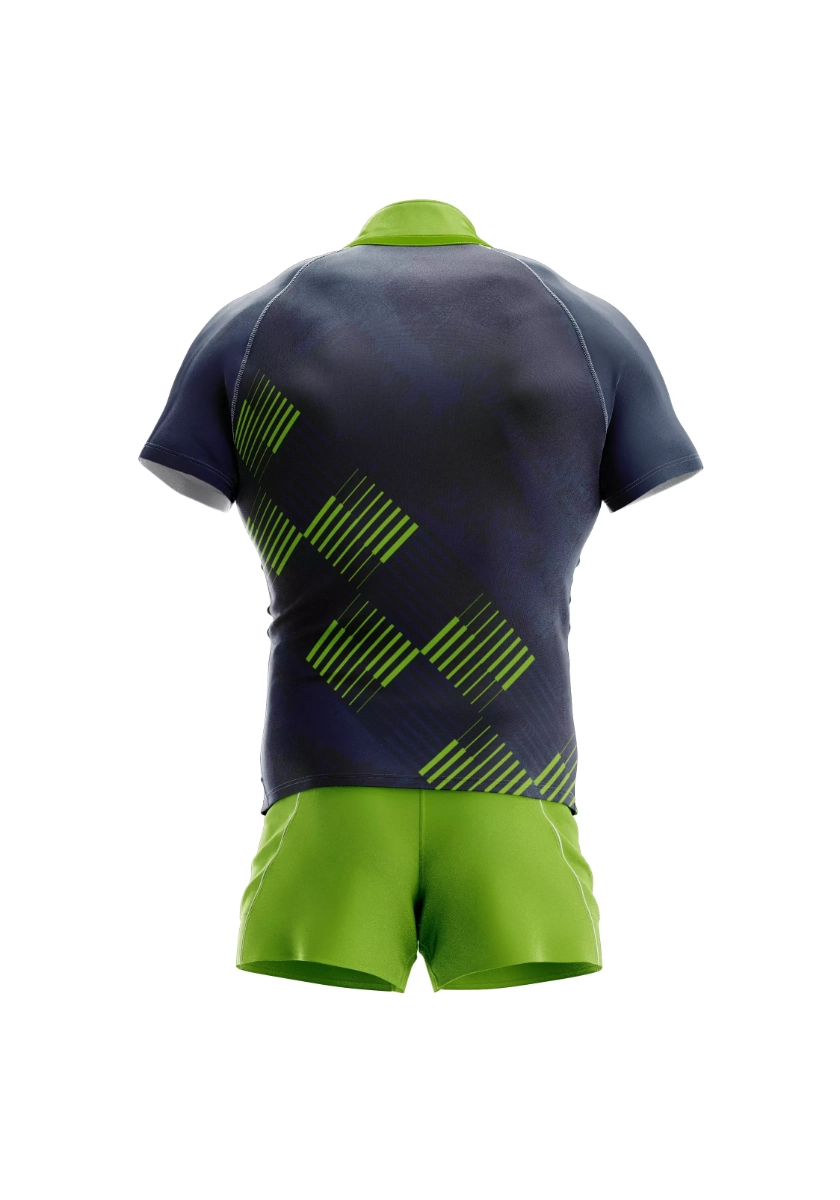
Custom Rugby Jerseys Built for Contact & Competition
Create custom rugby jerseys with durable performance fabrics, professional team colors, club logos, player numbers, sponsor graphics, and match-ready construction—developed for clubs, schools, academies, and sports organizations.





Looking for a Reliable Custom Rugby Jersey Manufacturer?
-
Durable performance fabric

-
Appropriate fabric weight
-
Stretch and shape recovery
-
Strong seam construction
-
Comfortable shoulder movement
Whether you are developing match jerseys for a rugby club, school, academy, tournament, or sportswear collection, the right manufacturing partner should understand both team identity and contact-sport construction.
In This Guide, You’ll Learn:
- How to select rugby jersey fabrics
- How GSM affects durability and comfort
- How rugby fit differs from standard sportswear
- Which printing methods suit rugby uniforms
- Which rugby jersey styles are commonly developed
- What to confirm before bulk production
- How custom rugby jerseys move from design to delivery



Common Challenges When Sourcing Custom Rugby Jerseys
Repeated grabbing, stretching, tackling, and washing place additional stress on rugby jerseys, making fabric recovery, seam strength, fit, graphics, and production consistency especially important.

The Jersey Stretches Out During Contact
Rugby jerseys need enough flexibility for movement while recovering their shape after repeated pulling and physical contact.
Poor fabric performance can result in:
- • Excessive stretching
- • Loose body fit
- • Sleeve distortion
- • Neckline deformation
- • Poor shape recovery

Seams & Collars Fail Under Stress
Shoulders, necklines, sleeves, side seams, and underarm areas experience repeated pulling during rugby play.
Common problems include:
- • Seam opening
- • Broken stitching
- • Collar distortion
- • Weak shoulder construction
- • Damage around stress points

Fabric Weight Does Not Match the Playing Need
A rugby jersey that is too light may lack structure, while excessively heavy fabric can reduce ventilation and comfort.
Common issues include:
- • Insufficient durability
- • Excess garment weight
- • Poor airflow
- • Slow moisture release
- • Incorrect fabric for climate
- • Poor balance between strength and mobility

Team Graphics Lose Consistency
Rugby jerseys frequently combine club colors, sponsor graphics, player numbers, badges, sleeve artwork, and full-body patterns.
Typical issues include:
- • Incorrect sponsor placement
- • Inconsistent player numbers
- • Color variation
- • Misaligned panel graphics
- • Artwork crossing seams incorrectly
Confirming fabric, fit, construction, artwork, and personalization before production helps reduce avoidable inconsistencies and improves reliability across initial team orders and future reorders.
Choosing the Right Fabric for Custom Rugby Jerseys
Rugby fabric selection depends on contact level, climate, fit, durability, ventilation, and printing requirements, with different knit structures and GSM ranges serving different applications.

Polyester Interlock
A smooth double-knit polyester offering stable construction, clean printing performance, and a lighter option for modern rugby jerseys.
-
 Best For:Rugby sevens, touch rugby, training jerseys, lightweight club kits, and warmer playing conditions.
-
 Highlights:• Smooth print surface
• Lightweight construction
• Stable garment shape
• Quick drying
• Sublimation compatible

Polyester Piqué / PK Fabric
A textured polyester knit providing greater body and structure than lightweight interlock while maintaining good performance for rugby applications.
-
Best For:Club match jerseys, school rugby programs, academy uniforms, and structured team kits.
-
Highlights:• Textured surface
• Stronger garment structure
• Durable construction
• Traditional rugby feel
• Suitable for sublimation

Heavyweight Polyester Piqué / PK
A structured, textured fabric for durable teamwear and sportswear.
-
Best For:Team jerseys, polo shirts, and performance apparel
-
Highlights:• Textured piqué knit surface
• Durable, structured feel
• Helps garments retain their shape
• Suitable for team and uniform styles
• Works well with embroidery and heat-transfer decoration

Heavyweight PK Polyester
A denser rugby-specific construction designed for teams requiring greater structure and durability during full-contact competition.
-
Best For:Full-contact rugby, competitive club jerseys, traditional match kits, and high-durability uniforms.
-
Highlights:• Dense fabric structure
• High durability
• Strong garment body
• Stable shape
• Contact-focused construction
Custom Printing & Branding for Rugby Jerseys
Rugby jerseys can combine club colors, sponsor graphics, player numbers, badges, and custom patterns using decoration methods selected according to fabric and design requirements.
- Dye-Sublimation Printing
- Screen Printing
- Custom Embroidery
-
Dye-Sublimation Printing
Dye-sublimation is particularly suitable for polyester rugby jerseys with complex graphics, multiple sponsors, detailed patterns, names, and player numbers. Because artwork becomes part of the fabric, sublimation avoids a thick surface print that could interfere with the jersey’s original fabric feel.
-
Create full-body club graphics and custom colors.
-
Control artwork across multiple garment panels.
-
Integrate numbers, sponsors, and team branding.

Full-garment artwork creates detailed rugby designs with vivid colors while maintaining the original lightweight feel of the polyester fabric.
All-Over Sublimation
Individual fabric panels are printed before assembly, allowing controlled artwork placement across shoulders, sleeves, fronts, backs, and side sections.
Panel Sublimation
Player numbers, club logos, sponsor graphics, and other team details are integrated directly into each customized jersey design.
Personalized Sublimation

-
-
Screen Printing
Screen printing works well for simple, defined rugby graphics requiring strong color coverage and consistent reproduction. It can be used across selected jerseys, training garments, supporter wear, and related team apparel.
-
Produce bold solid-color artwork.
-
Reproduce simple club graphics consistently.
-
Support repeated designs across larger quantities.
Produces clear club logos, lettering, and simple graphics with bold color coverage.
Solid Color Screen Printing
Uses individual screens to build defined multi-color artwork for rugby teamwear and related apparel.
Multi-Color Screen Printing
Suitable for prominent chest, back, and supporter-wear graphics requiring strong visual impact.
Large-Area Screen Printing
-
-
Custom Embroidery
Embroidery provides a textured, dimensional finish for club crests, badges, and premium team branding. For match jerseys, embroidery size, backing, and placement should be selected according to fabric weight and wearer comfort.
-
Create dimensional club crests.
-
Add durable stitched branding.
-
Coordinate logos across teamwear products.
Club logos are stitched directly onto the garment for a durable and integrated premium appearance.
Direct Embroidery
Structured embroidered badges provide consistent club identity across jerseys and other coordinated team garments.
Embroidered Patches
Premium stitched branding can be applied across rugby jerseys, polos, jackets, warm-up wear, and other club apparel.
Custom Logo Embroidery
-


Need Help Choosing? → Contact Us

Why Choose QEOK for Custom Rugby Jerseys?
-
Teamwear Manufacturing Experience
QEOK specializes in custom sportswear and teamwear, supporting clubs, schools, academies, distributors, and sportswear brands with flexible rugby jersey manufacturing solutions.
-
Custom Design & Development
From club colors and patterns to logos, player numbers, sponsor graphics, collars, trims, and sizing, QEOK helps develop production-ready custom rugby jerseys.
-
Multiple Decoration Capabilities
Dye-sublimation, digital heat transfer, screen printing, and embroidery can be selected according to fabric construction, artwork, order requirements, and desired visual effect.
-
Reliable Production Management
Material preparation, printing, cutting, sewing, garment assembly, and finishing follow approved specifications to support consistent manufacturing across custom rugby jersey orders.


From Rugby Jersey Concept to Finished Teamwear


Share your rugby jersey concept, playing requirements, quantity, size range, club logos, preferred colors, design references, and target delivery schedule. Review design references Confirm jersey requirements Define size range Confirm quantities Collect branding files

We develop the initial jersey direction and recommend suitable fabrics, GSM, fit, collar construction, team graphics, and decoration methods. Prepare jersey artwork Select club colors Recommend fabric options Develop collar details Position sponsor graphics

Artwork, measurements, player details, fabric specifications, and garment construction are reviewed before sample development. Review jersey layout Confirm player details Check sponsor placement Verify sizing Approve specifications

Where required, a physical sample is produced to evaluate fabric, GSM, fit, stretch, collar construction, artwork, and workmanship. Check jersey fit Review fabric weight Evaluate stretch recovery Inspect artwork Approve construction

After approval, bulk manufacturing begins according to the confirmed rugby jersey specifications. Prepare materials Print and decorate Cut fabric panels Sew and assemble Complete garment finishing

Finished rugby jerseys are checked against approved specifications before packing and shipment. Verify measurements Inspect seams Check artwork Confirm player details Review finished garments

Approved rugby jerseys are packed and coordinated for shipment according to the final order and delivery requirements. Pack finished products Verify order quantities Coordinate shipment Support delivery Provide after-sales assistance

Key Considerations for Custom Rugby Jerseys
Before bulk production, rugby jerseys should be checked for fabric performance, contact-ready construction, athletic fit, and accurate team graphics to reduce production and reorder issues.
-
1
Fabric Strength & Stretch Recovery
Rugby fabrics should provide sufficient strength for contact while allowing comfortable movement and reliable recovery after repeated pulling.
Confirm:
- Fabric construction
- GSM
- Stretch level
- Shape recovery
- Breathability
- Printing compatibility
Close-fit jerseys should also be evaluated after stretching to confirm that the fabric returns toward its intended shape.
-
2
Fit & Shoulder Mobility
Rugby jerseys should allow passing, tackling, reaching, and overhead movement without creating unnecessary loose fabric.
Confirm:
- Chest width
- Shoulder fit
- Sleeve opening
- Jersey length
- Body silhouette
- Full movement range
Samples should be evaluated during movement rather than only while standing.


Reviewing fabric, fit, construction, graphics, and player information together before bulk production helps improve consistency across the full rugby team order and later reorders.Through professional pattern development, fabric selection, and strict manufacturing control, we help brands create oversized hoodies with the right balance of style, comfort, durability, and production consistency.
Frequently Asked Questions
Can't find your answer? Contact us directly and we'll reply within one business day.
-
1.What can I customize on rugby jerseys?

You can customize club colors, patterns, logos, player numbers, sponsor graphics, collars, trims, fit, and size specifications. Fabric and decoration options can also be selected according to project requirements.
-
2.What fabrics are commonly used for rugby jerseys?
Common directions include polyester interlock, polyester piqué, heavyweight PK, bird-eye mesh, micro mesh, stretch polyester blends, poly-cotton piqué, and recycled polyester constructions.
-
3.Are heavier fabrics always better for rugby jerseys?
No. Heavier fabrics provide additional structure, but lighter materials may be more appropriate for rugby sevens, touch rugby, warm climates, or specific performance requirements.
-
4.Can QEOK manufacture complete rugby uniform sets?
Yes. Rugby jerseys can be coordinated with match shorts, socks, training apparel, and related teamwear to develop complete club uniform programs.
-
5.Which printing methods are available?
QEOK supports dye-sublimation, screen printing, digital heat transfer, and embroidery. The suitable method depends on fabric, artwork, quantity, and final application.
-
6.Can every player have a different number?
Yes. Individual player numbers and other personalized details can be incorporated according to the confirmed team roster.
-
7.Can QEOK help develop my rugby jersey design?
Yes. Customers can provide finished artwork, sketches, reference garments, or initial concepts, and QEOK can assist with design development and digital preview.
-
8.Can I produce a sample before bulk production?
Yes. Where required, samples can be developed to review fabric, fit, construction, colors, artwork, personalization, and workmanship before bulk manufacturing.
Explore Other Team Sports Uniforms
We Manufacture





Ready to Create Your Custom Rugby Jerseys?
Share your club colors, logos, sponsor graphics, jersey references, quantities, and requirements with QEOK for support from design development through production, inspection, and delivery.