 Contact Us


Looking for a Reliable Custom T-Shirt Manufacturer?
Create high-quality custom T-shirts with premium fabrics, personalized graphics, custom labels, and professional manufacturing solutions for fashion brands, corporate programs, events, schools, and promotional apparel.





Looking for a Reliable Custom T-Shirt Manufacturer?
-
Comfortable and durable fabrics

-
Stable garment construction
-
Accurate artwork reproduction
-
Consistent sizing
-
Reliable bulk production
Whether you are developing private-label fashion collections, company uniforms, event apparel, merchandise programs, or promotional clothing, the right manufacturing partner should understand both apparel quality and brand presentation.
In This Guide, You’ll Learn:
- How to select the right T-shirt fabrics
- How GSM affects thickness, comfort, and durability
- Differences between cotton, polyester, and blended materials
- Which printing methods suit different T-shirt applications
- Which T-shirt styles are commonly developed
- What to confirm before bulk production
- How custom T-shirts move from design to delivery

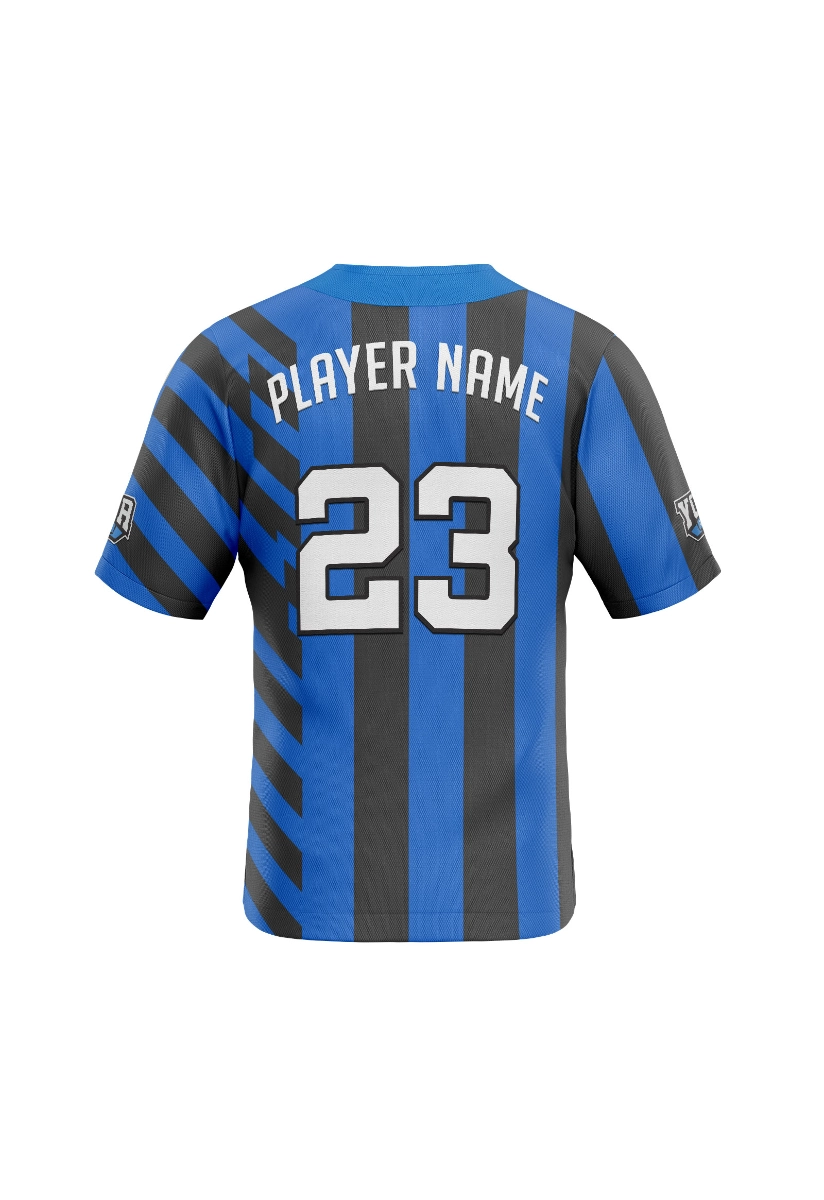
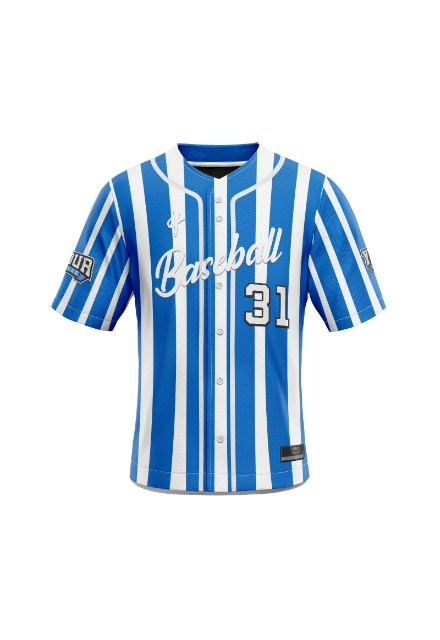
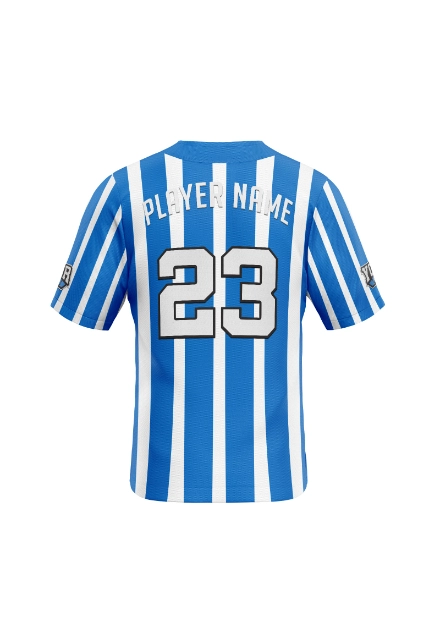
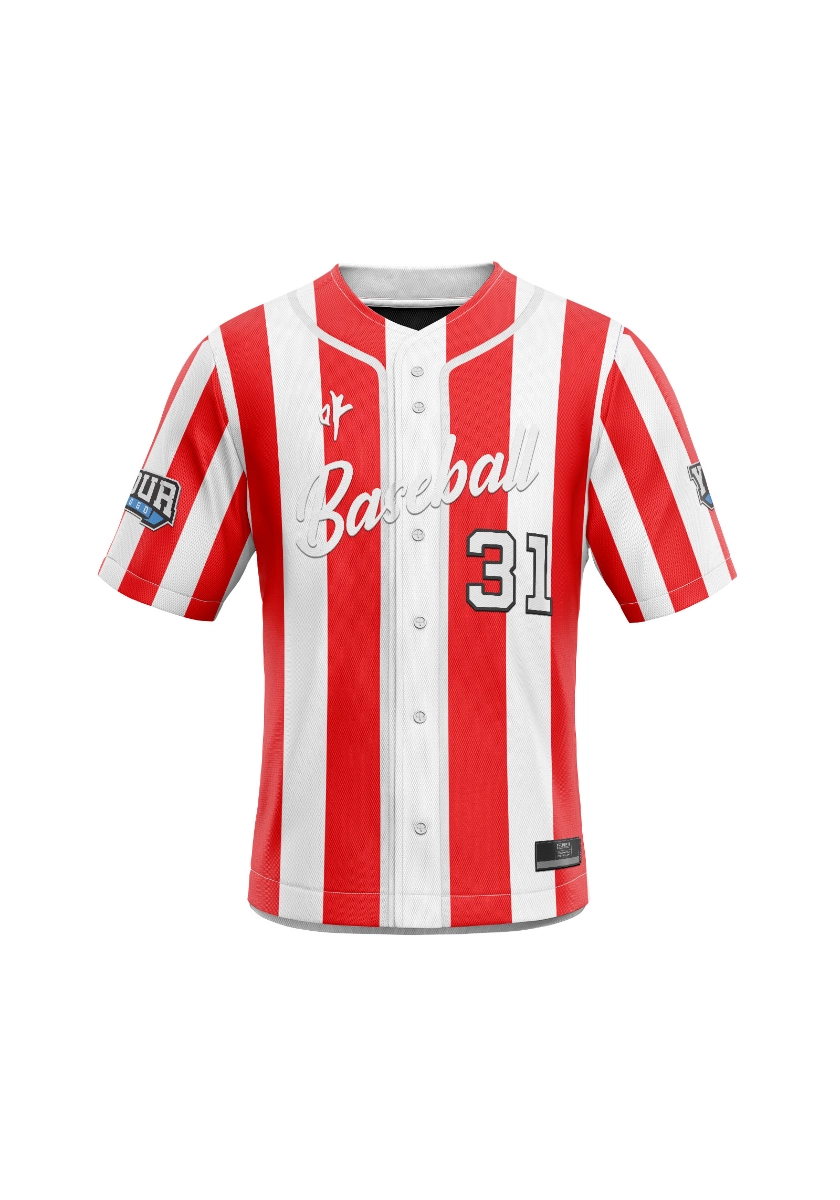
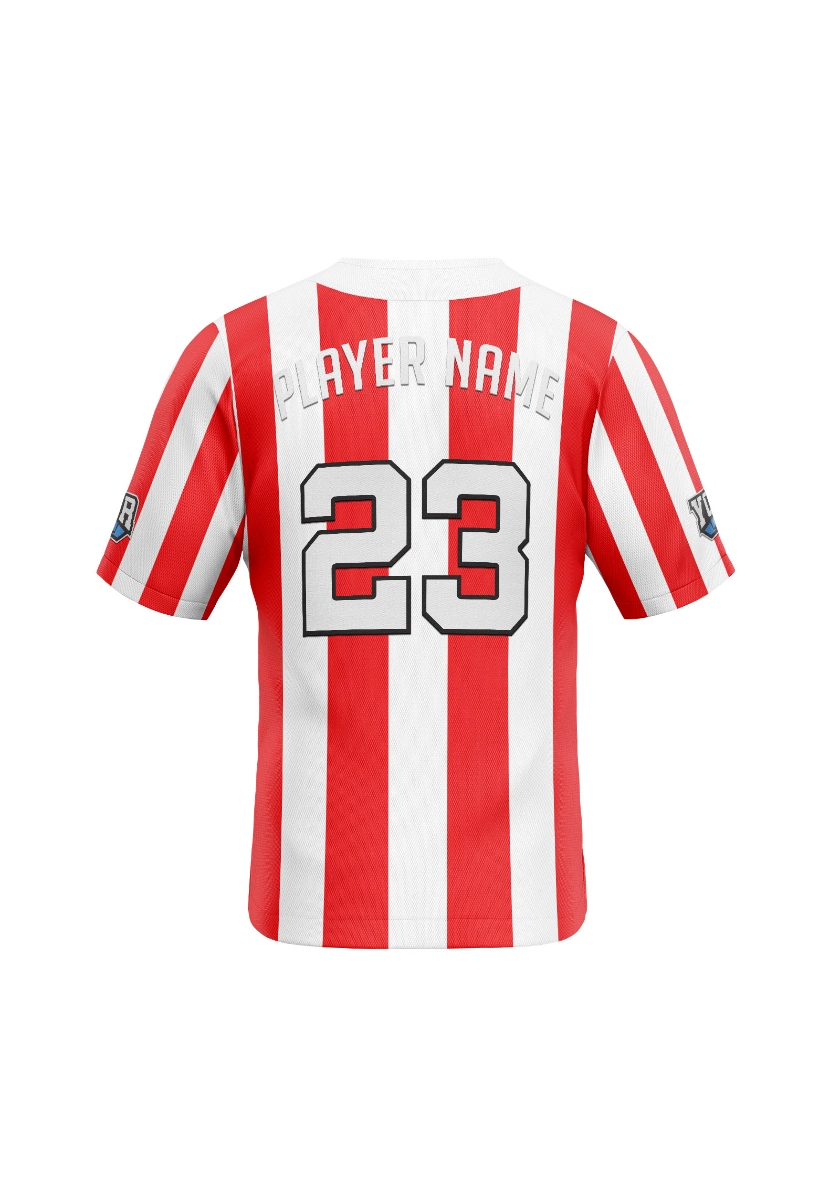

Common Challenges When Sourcing Custom T-Shirts
Custom T-shirts must balance comfort, appearance, durability, branding quality, and production consistency. Because T-shirts are widely used for daily wear and large-volume apparel programs, small differences in fabric, fit, printing, or stitching can significantly affect the final product experience.

Fabric Shrinkage & Shape Loss After Washing
T-shirts are frequently washed and worn, making fabric stability an important factor in long-term performance.
Poor fabric selection can result in:
- • Excessive shrinkage
- • Twisted side seams
- • Neckline deformation
- • Reduced comfort
- • Loss of garment shape

Printing Quality Does Not Meet Expectations
Custom T-shirts often rely on graphics, logos, artwork, and brand designs as the main visual element.
Common issues include:
- • Cracking prints
- • Poor color reproduction
- • Incorrect artwork placement
- • Uneven printing coverage
- • Reduced wash durability

Fabric Weight Does Not Match the Application
Different T-shirt applications require different fabric weights and structures.
Common problems include:
- • Lightweight fabric feeling too thin
- • Heavy fabric reducing comfort
- • Poor breathability
- • Incorrect drape
- • Unsuitable hand feel

Sizing Inconsistency Between Production Batches
For brands and organizations, consistent sizing is essential for customer satisfaction and repeat orders.
Without controlled production standards, differences may appear in:
- • Chest width
- • Body length
- • Sleeve length
- • Neck opening
- • Overall fit
Choosing the Right Fabric for Custom T-Shirts
T-shirt fabric selection depends on comfort requirements, climate, application, branding method, durability expectations, and target market positioning.
Different knit structures and GSM ranges provide different balances between softness, thickness, breathability, and performance.

Cotton Single Jersey
Cotton single jersey is one of the most commonly used T-shirt fabrics, offering a soft hand feel, comfortable wearing experience, and versatile everyday performance.
-
 Best For:Basic T-shirts, casual apparel, promotional products, brand merchandise, and everyday lifestyle collections.
-
 Key Features:• Soft and comfortable touch
• Natural breathability
• Flexible garment movement
• Suitable for various printing methods
• Classic T-shirt appearance

Organic Cotton Fabric
Organic cotton provides a sustainable material option for brands focusing on environmentally conscious apparel development.
-
Best For:Sustainable fashion brands, eco-friendly merchandise, lifestyle collections, and premium casual wear.
-
Key Features:• Organic material option
• Soft natural feel
• Comfortable daily wear
• Sustainable positioning
• Suitable for custom branding

CVC Cotton Polyester Blend
CVC fabric combines cotton comfort with polyester durability, providing a balanced solution for T-shirts requiring both softness and production stability.
-
Best For:Corporate apparel, promotional clothing, uniforms, schools, and large-volume T-shirt programs.
-
Key Features:• Reduced shrinkage
• Improved shape retention
• Balanced comfort and durability
• Easy-care performance
• Suitable for bulk production

TC Polyester Cotton Blend
TC fabric combines polyester strength with cotton comfort, offering a practical option for cost-effective T-shirt manufacturing.
-
Best For:Promotional apparel, work uniforms, event T-shirts, and large quantity orders.
-
Key Features:• Durable construction
• Cost-effective solution
• Stable sizing
• Easy washing
• Suitable for high-volume programs
Custom Printing & Branding for T-Shirts
Custom T-shirts rely heavily on graphic presentation, brand identity, and visual impact. The right decoration method depends on fabric type, artwork complexity, production quantity, durability requirements, and the intended market position.
- Screen Printing
- Direct-to-Garment (DTG) Printing
- DTF (Direct-to-Film) / Heat Transfer Printing
- Dye-Sublimation Printing
- Direct Embroidery
- Appliqué
-
Screen Printing
Screen printing is one of the most widely used decoration methods for custom T-shirts, especially for promotional apparel, brand merchandise, events, schools, and large-volume production. Ink is transferred through a prepared screen onto the fabric surface, creating strong color coverage and consistent graphic reproduction.
-
Produce bold and durable graphics.
-
Support large-volume T-shirt production.
-
Create strong color impact.
-
Suitable for cotton and blended fabrics.

Single or limited-color artwork can be reproduced with strong coverage and excellent cost efficiency for bulk T-shirt orders.
olid Color Screen Printing
Multiple screens can be used to create detailed brand graphics, illustrations, and promotional designs.
Multi-Color Screen Printing
Oversized chest, back, and sleeve graphics can be developed for fashion collections, events, and merchandise programs.
Large Front & Back Printing

-
-
Direct-to-Garment (DTG) Printing
DTG printing applies ink directly onto the fabric surface, making it suitable for detailed artwork, gradients, illustrations, and photo-quality designs. It is especially suitable for cotton-based T-shirts requiring high-detail graphics.
-
Reproduce complex artwork.
-
Create smooth color transitions.
-
Support small-batch customization.
-
Suitable for detailed fashion designs.
Detailed images, artwork, and realistic graphics can be reproduced with high visual accuracy.
Photo-Quality Printing
DTG allows flexible production for limited collections, samples, and customized apparel programs.
Small Batch Custom T-Shirts
Fine lines, gradients, and complex illustrations can be produced without traditional screen preparation.
Detailed Graphic Printing
-
-
DTF (Direct-to-Film) / Heat Transfer Printing
DTF and heat transfer methods provide flexible customization solutions for T-shirts requiring detailed logos, personalized graphics, and different artwork variations. The design is printed onto transfer film and applied to the garment using controlled heat and pressure.
-
Support detailed artwork.
-
Customize individual garments.
-
Apply graphics to selected areas.
-
Suitable for small and medium production runs.
Company logos, brand graphics, and promotional marks can be applied with clean edges and strong visual definition.
Logo Heat Transfer
Individual names, team information, or personalized details can be added to custom T-shirts.
Name & Number Transfer
Neck labels, care information, and branding details can be transferred directly onto garments.
Custom Label Transfer
-
-
Dye-Sublimation Printing
Dye-sublimation printing is mainly suitable for polyester-based T-shirts requiring full-color graphics, all-over patterns, and performance apparel designs. The dye penetrates into polyester fibers, creating lightweight graphics without a thick surface layer.
-
Create full-body designs.
-
Produce detailed patterns.
-
Maintain fabric flexibility.
-
Suitable for polyester performance T-shirts.
Complete garment graphics allow brands to create unique patterns, gradients, and custom visual identities.
All-Over Sublimation
Individual fabric panels can be printed before sewing for accurate artwork positioning.
Panel Sublimation
Polyester performance fabrics can combine moisture management with customized full-color designs.
Performance Sports T-Shirts
-
-
Direct Embroidery
Direct embroidery creates a raised textile finish by stitching logos and designs directly onto the garment. Although commonly used for polo shirts and jackets, embroidery can also be applied to selected T-shirt designs, especially premium collections and heavyweight fabrics.
-
Create premium brand marks.
-
Add dimensional logo details.
-
Suitable for lifestyle and fashion collections.
-
Provide long-lasting decoration.
Small embroidered logos provide a premium and minimalist branding solution.
Chest Logo Embroidery
Fashion brands can use embroidery to create elevated garment details.
Premium Brand Embroidery
Embroidered elements can be combined with patches for stronger visual effects.
Patch-Style Embroidery
-
-
Appliqué
Appliqué combines cut fabric elements with stitching to create layered and dimensional branding effects. It is suitable for streetwear, fashion collections, team apparel, and premium custom T-shirts.
-
Create textured graphics.
-
Add fabric-based branding.
-
Develop premium visual effects.
Cut fabric logos can be attached to T-shirts to create dimensional brand details.
Fabric Logo Appliqué
Large letters and words can be created using layered fabric construction.
Letter Appliqué
Multiple fabric elements can be combined to create unique fashion-oriented designs.
Layered Graphic Appliqué
-


Different T-shirt applications require different combinations of fabric weight, fit, construction, comfort, and branding methods.
-
Classic Crew Neck T-Shirt
Classic Crew Neck T-Shirt A timeless T-shirt style designed for everyday wear, promotional programs, corporate apparel, and general lifestyle applications.
-
Construction:
Cotton or blended jersey fabric
Classic crew neckline
Standard body fit
Custom printing options -
Highlights:
Versatile everyday style
Suitable for large-volume production
Easy customization
Compatible with multiple branding methods
-
-
Premium Cotton T-Shirt
A higher-quality T-shirt developed for brands seeking improved softness, comfort, and refined garment appearance.
-
Construction:
Combed cotton fabric
Premium jersey construction
Improved finishing
Custom brand details -
Highlights:
Soft premium hand feel
Better wearing comfort
Suitable for fashion collections
Strong retail appeal
-
-
Oversized Streetwear T-Shirt
A fashion-oriented T-shirt style featuring relaxed proportions, heavier fabrics, and modern streetwear aesthetics.
-
Construction:
Heavyweight jersey fabric
Oversized fit
Dropped shoulders
Reinforced stitching -
Highlights:
Modern streetwear appearance
Strong garment structure
Suitable for graphic designs
Premium fashion positioning
-


Why Choose QEOK for Custom T-Shirts?
-

T-Shirt Manufacturing Experience
QEOK provides custom apparel manufacturing solutions for businesses, distributors, private-label brands, and organizations requiring reliable T-shirt production. From basic promotional T-shirts to premium fashion collections, QEOK supports different product requirements through fabric selection, garment development, decoration, production management, and quality control.
-

Custom Design & Development
QEOK helps customers transform concepts into production-ready T-shirts through professional development support. Customers can provide existing artwork, reference garments, sketches, or initial concepts, and QEOK can support product development according to project requirements.
-

Multiple Decoration Capabilities
QEOK's confirmed decoration capabilities include screen printing, digital heat transfer, embroidery, and dye-sublimation, selected according to fabric type, artwork requirements, production quantity, and intended application. Additional industry decoration options such as DTG printing, woven labels, appliqué, silicone printing, and rubber branding can be evaluated according to project specifications and manufacturing feasibility.
-

Reliable Production Management
QEOK manages the complete T-shirt manufacturing workflow from material preparation to finished garment delivery. Controlled production procedures help maintain consistency across bulk orders and future repeat projects.


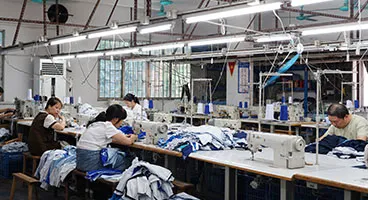
From T-Shirt Concept to Finished Apparel


Share your T-shirt concept, artwork, application, quantity, size range, preferred materials, and delivery requirements. Review project goals Confirm product application Define size requirements Confirm quantities Collect artwork files

QEOK develops the initial product direction and recommends suitable fabrics, garment structures, printing methods, and customization solutions. Recommend fabric options Confirm T-shirt style Review branding methods Suggest construction details Define production direction

Before production, artwork, measurements, materials, branding placement, and garment specifications are reviewed and confirmed. Approve graphics Confirm print position Review size chart Confirm fabric specifications Verify production details

A sample can be developed to evaluate fabric quality, fit, construction, printing effects, and overall garment appearance. Check garment measurements Review fabric hand feel Evaluate printing quality Confirm fit Approve final specifications

After sample approval, bulk manufacturing begins according to the confirmed T-shirt specifications. Prepare materials Cut fabric Apply printing or branding Sew garments Complete finishing processes

Finished T-shirts are inspected before shipment to verify compliance with approved requirements. Check measurements Inspect stitching Verify artwork Confirm quantities Review final appearance

Key Considerations for Custom T-Shirts
Before bulk production, T-shirts should be reviewed for fabric selection, garment construction, branding methods, and sizing standards to reduce production risks and improve final product consistency.
-
1
Fabric Selection & Performance
The selected fabric should match the intended application, whether for fashion collections, corporate uniforms, promotional campaigns, or performance apparel.
Confirm:
- Fabric composition
- GSM
- Softness
- Shrinkage control
- Color stability
- Printing compatibility
-
2
Fit & Size Standards
Accurate sizing is essential for retail products, employee uniforms, and repeat production.
Confirm:
- Chest width
- Shoulder measurement
- Sleeve length
- Body length
- Fit preference
- Size grading
-
3
Printing & Branding Requirements
Artwork details should be confirmed before production to ensure consistent appearance across all garments.
Confirm:
- Artwork files
- Print size
- Print location
- Color references
- Label requirements
- Packaging details


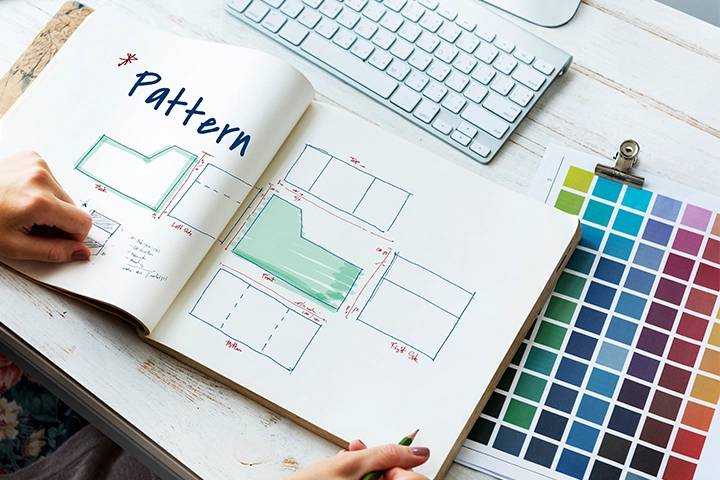
Reviewing fabric, fit, construction, artwork, and production specifications before manufacturing helps improve consistency across bulk orders and future repeat projects.
Frequently Asked Questions
Find essential information about custom T-shirt fabrics, printing methods, customization options, production processes, MOQ, sampling, and QEOK's OEM and ODM apparel manufacturing support.
-
1.What can I customize on custom T-shirts?

You can customize T-shirt fabrics, colors, fits, necklines, sleeves, printing designs, embroidery, labels, packaging, and other garment details according to your project requirements. Custom options include: Fabric composition GSM Garment style Artwork placement Brand labels Hang tags Packaging solutions
-
2.What fabrics are commonly used for custom T-shirts?
Common T-shirt fabrics include cotton single jersey, combed cotton, organic cotton, CVC blends, TC blends, polyester performance fabrics, cotton-spandex blends, recycled polyester, and heavyweight jersey materials. The best fabric depends on the intended application, target market, climate, and branding method.
-
3.Which fabric is best for promotional T-shirts?
Promotional T-shirts typically require a balance between cost efficiency, comfort, printing performance, and production consistency. Cotton jersey, CVC blends, and TC blends are commonly selected for large-volume promotional apparel programs.
-
4.Which printing method is best for custom T-shirts?
The best printing method depends on artwork complexity, fabric type, order quantity, and durability requirements. Common options include: Screen printing for bulk graphics DTG printing for detailed artwork DTF / heat transfer for flexible customization Sublimation for polyester performance fabrics Embroidery for premium branding QEOK can recommend suitable decoration methods based on project requirements.
-
5.Can QEOK manufacture private-label T-shirts?
Yes. QEOK supports private-label T-shirt development including custom fabrics, garment styles, labels, packaging, branding details, and production solutions for fashion brands and retailers.
Explore Other Lifestyle Apparel
We Manufacture
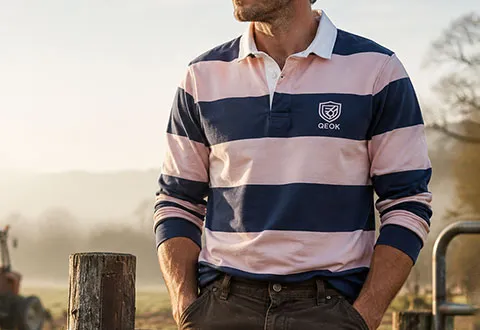




Ready to Create Your Custom T-Shirts?
From fabric selection and product development to printing, manufacturing, inspection, and delivery, QEOK provides complete custom T-shirt manufacturing solutions for brands, companies, schools, clubs, and organizations.